From Tehran to Trump's Trade Wars: How Global Turbulence Is Landing on Liverpool's Doorstep
A volatile summer abroad, political upheaval in Iran, US protectionism and a brutal American heatwave, is reshaping the calculations of Merseyside businesses right now.
This article was generated by AI from the linked public sources. The Daily Liverpool is independently owned and covers Liverpool news free from advertiser or sponsor influence. It is provided for general information only and is not professional, legal, financial, or medical advice. Read our editorial standards →
Liverpool's commercial sector is heading into the second half of 2026 facing a tangle of external shocks that business support groups say are hitting harder than at any point since the post-pandemic supply crunch. The death of Iran's Supreme Leader Ayatollah Khamenei and the subsequent uncertainty over Tehran's political direction, combined with ongoing US trade restrictions and a heatwave that forced the cancellation of Fourth of July events from Washington DC to Philadelphia, have together tightened conditions for exporters, importers and hospitality operators across the city in ways that are already visible in the numbers.
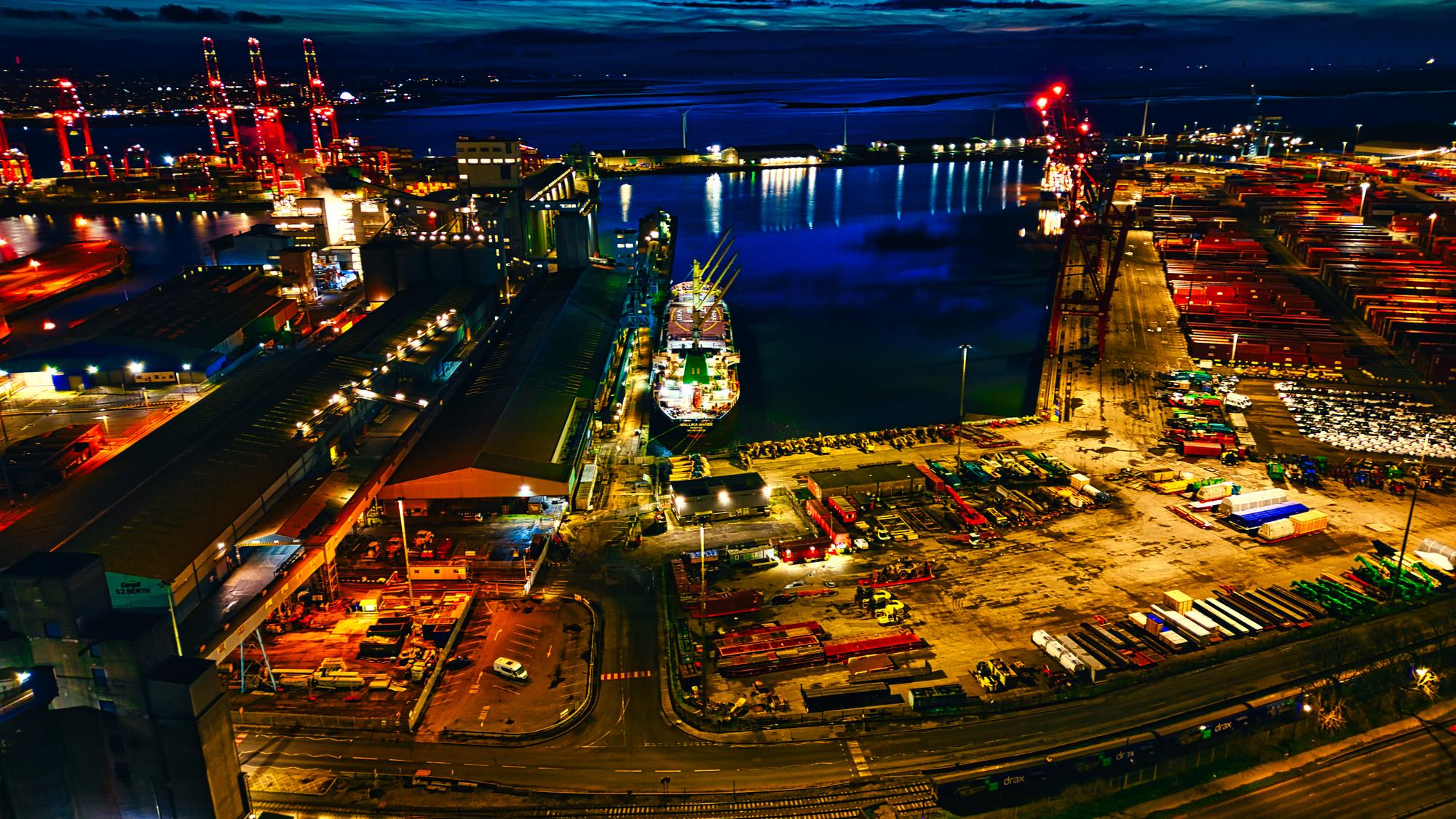
None of this arrives in isolation. Liverpool handled £30.4 billion worth of goods through the Port of Liverpool in 2025, and the port's operators, Peel Ports, have publicly flagged that energy commodity flows from the Middle East remain sensitive to any prolonged period of Iranian political instability. The timing matters because businesses along the Mersey waterfront were already absorbing the cost of rerouted shipping lanes, a legacy of Red Sea disruptions, when this new layer of geopolitical risk arrived.
American Headwinds Hit Baltic Triangle Exporters
The US angle is equally pressing. Trump administration travel and trade restrictions have diverted significant American consumer spending toward Mexico, analysts note, but the knock-on effect for Liverpool's creative and digital exporters, many of them clustered around the Baltic Triangle, is a shrinking pool of US clients willing to commit to new contracts. Several small studios on Jamaica Street and Brick Street that built their client books on North American briefs have reported slower conversion rates since January 2026. The Liverpool City Region Combined Authority's export support programme, Access to Finance, has seen a 22 percent rise in inquiries from SMEs seeking to diversify away from dollar-denominated revenue streams in the first six months of this year.
Property is feeling the pressure too. Average commercial rents in the Knowledge Quarter, the stretch running from Lime Street up to the University of Liverpool's campus on Brownlow Hill, have plateaued at around £28 per square foot after two years of steady growth, according to data compiled by Liverpool-based agents Hitchcock Wright & Partners in their Q2 2026 review. Residential prices tell a different story: the average sale price for a terraced property in Anfield reached £142,000 in May, up 6.1 percent year-on-year, driven partly by demand from workers relocating from London and Manchester as hybrid working policies solidify.
Tourism Window Remains Open, But Narrower
The city's hospitality sector is watching the American heatwave with one eye on its own summer bookings. Liverpool John Lennon Airport reported a 14 percent increase in transatlantic connecting passengers in June compared with June 2024, many routing through Manchester or Dublin for onward US travel. Hotel occupancy on the waterfront, particularly around the Strand and the Titanic Hotel in Stanley Dock, held above 80 percent through June. But operators say forward bookings for August are softer than expected, partly because American leisure travellers are reassessing long-haul plans given domestic disruption.
The broader strategic picture for Liverpool businesses is this: the city's traditional strengths, the port, its creative economy and its growing life sciences cluster anchored around Liverpool Science Park on Mount Pleasant, give it more resilience than many UK regional cities. But that resilience requires active management. The Liverpool Chamber of Commerce is running a series of free geopolitical risk briefings throughout July, starting on 10 July at its offices on Old Hall Street, aimed specifically at SMEs with international supply chains. Firms that have not reviewed their currency hedging positions or supplier diversification plans since early 2025 should treat that exercise as urgent rather than aspirational. The global noise this summer is not background static, it is arriving directly at the loading bays of Seaforth and the laptop screens of Baltic Triangle freelancers alike.
Covering business in Liverpool. This article was generated by AI from the linked sources and was not reviewed by a human editor before publishing. See our editorial standards.