Business
Liverpool's Property and Jobs Boom: Who Is Already Cashing In
A wave of investment across the city centre and waterfront is creating real winners, and the window may be shorter than it looks.
4 min read
Updated 13 h ago
Business
A wave of investment across the city centre and waterfront is creating real winners, and the window may be shorter than it looks.
4 min read
Updated 13 h ago
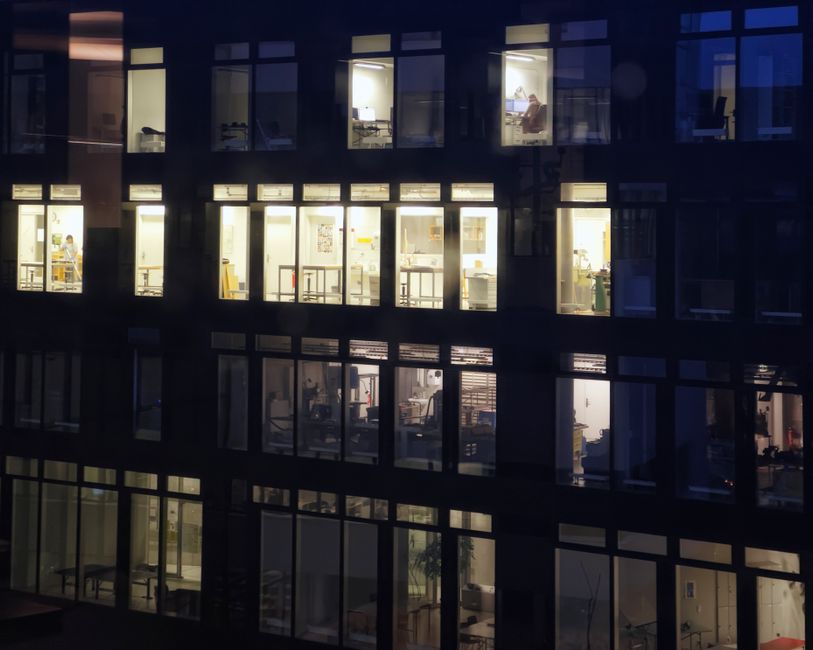
Liverpool's commercial property market recorded its strongest first half since 2018, with office take-up in the city centre hitting 287,000 square feet between January and June 2026, according to figures compiled by Avison Young's Liverpool desk. That number matters because it signals genuine occupier demand, not speculative development, and it is reshaping the fortunes of specific neighbourhoods faster than most predicted.
The timing is not accidental. With European uncertainty running high, geopolitical instability stretching from the Eastern Front to the Mediterranean, energy costs grinding up across the continent, a growing cohort of businesses is choosing northern English cities over Amsterdam, Frankfurt or Dublin for their next operational foothold. Liverpool, with its Atlantic-facing port, bilingual professional workforce and lower cost base than Manchester, is picking up deals that would once have gone elsewhere without a second thought.
Two zones are driving the numbers hardest. The first is the Knowledge Quarter, where the £35 million Spine building on Paddington Village opened its upper floors to tenants earlier this year, and is now more than 70 percent let. The Royal College of Physicians' northern hub anchors the complex, but it is the cluster of digital health and life sciences start-ups taking 2,000 to 5,000 square feet each that is quietly filling out the building's lower floors and generating employment across a wage band that Liverpool has historically struggled to attract. The second hotspot is the Ten Streets creative district in the north docks, where a converted bonded warehouse on Regent Road has drawn three independent production companies since April, drawn partly by the Creative England-backed studio incentive that covers up to 20 percent of fit-out costs for qualifying tenants.
The residential market is running a parallel story. Average asking prices for new-build apartments in the L1 and L3 postcodes crossed £250 per square foot in May, a benchmark the local market has never previously sustained through a summer. Completions at Elliot Group's Infinity development near the waterfront have sold off plan at prices between £210,000 and £480,000, with a significant share going to buyers from London using hybrid-working arrangements as justification for a northern relocation. Estate agents on Castle Street report that viewings from out-of-city buyers are running at roughly double the rate seen in the same weeks of 2024.
The gains are not evenly spread, and it would be wrong to pretend otherwise. The businesses benefiting most visibly are those already positioned inside the city's enterprise infrastructure. Liverpool City Region Combined Authority's Business Growth Programme, which offers grants of between £10,000 and £150,000 to SMEs meeting specific criteria, approved 43 awards in the second quarter alone, the highest quarterly figure since the programme launched in 2021. Recipients skew heavily toward tech-enabled services, advanced manufacturing suppliers and creative sector firms.
Recruitment is the secondary story. Employment agency Gi Group, which operates out of offices on Old Hall Street, has reported a 34 percent year-on-year increase in permanent placements across the city since January. The roles filling fastest are mid-level project management, data analytics and logistics coordination, a mix that reflects both the port's expanding container throughput and the digital economy's growing footprint in the city. Starting salaries for data roles in Liverpool have crept up to between £38,000 and £52,000, still below London equivalents but closing a gap that once looked unbridgeable.
For businesses or individuals looking to get into position, the next 90 days are the practical window. The Liverpool Investment Zone, formally designated by the Treasury in late 2025, begins offering its enhanced capital allowances and business rates relief from October 1. Firms that secure premises and register activity before that date qualify from day one. Paddington Village and the Ten Streets district both fall within the zone's boundaries. Commercial agents are already reporting that inquiries have jumped sharply since June, and available Grade A space below 5,000 square feet in those areas is thinning out. The opportunity is real. The queue is forming.
Business

Business

Business
Business
About this article
Published by The Daily Liverpool
Spread the word
Daily brief
Free, in your inbox before 7am. Weekdays.