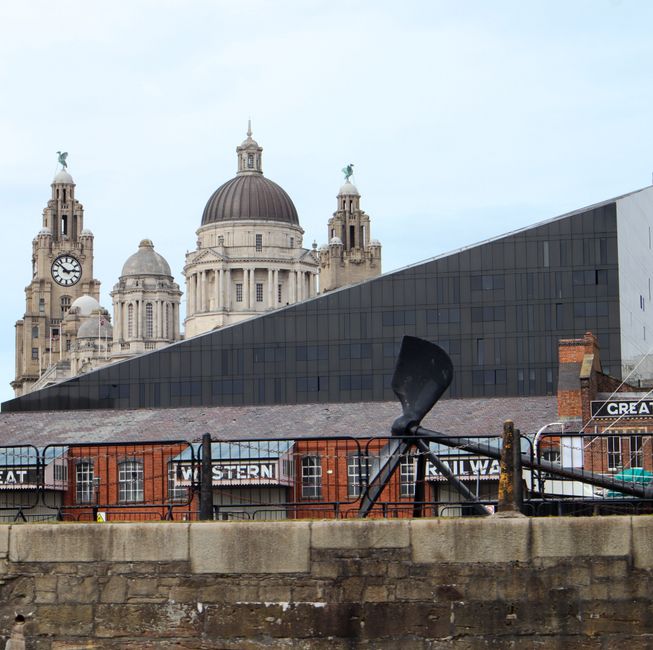
Liverpool's £5.5 billion Liverpool Waters regeneration scheme is pressing ahead along the northern docklands, but the international backdrop has rarely been more complicated. Shipping volatility in the Persian Gulf, record heat deaths across southern Europe, and deepening uncertainty over Middle Eastern trade routes are all feeding directly into the calculations of businesses operating out of Merseyside, and several are already adjusting.
The timing matters because Liverpool is at a pivot point. The first phase of Peel L&P's Princes Dock residential and commercial cluster is drawing tenants, the Mersey Tidal Power project is inching through planning consultations, and the post-Brexit freeport designation covering the Port of Liverpool and Wirral Waters is supposed to be attracting manufacturing investment. All of that depends on stable, affordable freight. Right now, neither is guaranteed.
Hormuz, Heatwaves and the Freight Bill
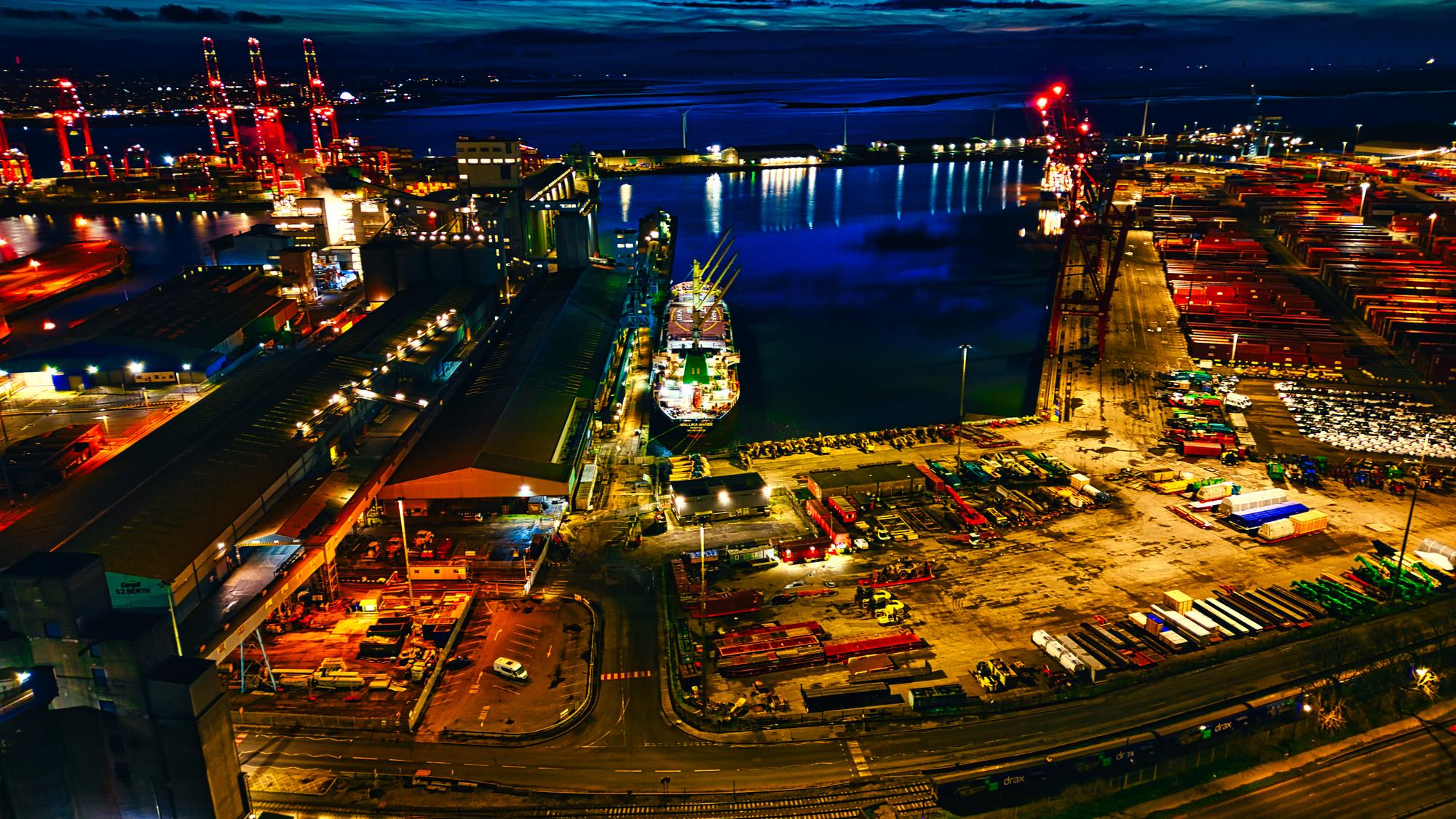
Container rates on key Asia-Europe corridors climbed again in June 2026 after a brief spring dip, with spot rates on the Shanghai-to-Felixstowe route sitting above $3,800 per forty-foot equivalent unit, roughly double the pre-2021 baseline that Liverpool importers had budgeted against. The Port of Liverpool handles around 700,000 TEUs annually. Even a modest upward shift in freight costs ripples through to warehousing and distribution businesses clustered along the A5058 corridor in Aintree and Knowsley.
The heat emergency that killed more than 2,000 people in France at the peak of this summer's European heatwave is another variable. Food importers using the Liverpool2 deep-water terminal at Seaforth, which opened in 2016 and can accommodate the largest post-Panamax vessels, are reporting disruption to fresh produce shipments from Iberia and North Africa. One Merseyside food logistics firm told trade publication Port Technology last month that two refrigerated consignments from Valencia were delayed after Spanish port workers activated heat-emergency protocols, pushing loads onto already congested road freight.
The broader Middle East picture adds another layer. Iran's political transition following the death of its Supreme Leader is generating fresh speculation about sanctions trajectories and potential openings for Western trade, and Liverpool's historically strong commodity trading community, centred around Old Hall Street in the city centre, is watching closely. Any material easing of Iranian restrictions would shift tanker routing and energy pricing globally within months.
What This Means for the Waterfront's Next Phase
Liverpool City Region Combined Authority has committed £47 million through its Investment Zone programme to support advanced manufacturing and green energy businesses locating within the freeport boundary. That money is specifically intended to reduce dependence on volatile import chains by building more local production capacity, batteries, wind components, pharmaceutical packaging, in facilities near the dock estate.
The Everton Freeport zone at Bramley-Moore Dock, adjacent to the new Everton FC stadium that opened in 2023, is the most visible test case. Several logistics and light-industrial operators are in lease negotiations for units there, though sources close to the negotiations say that global uncertainty is making some occupiers cautious about committing to ten-year terms when energy costs and freight pricing are still swinging sharply.
The practical advice for businesses anchored to the waterfront economy is blunt: diversify supply origin now, not after the next disruption. The Liverpool Chamber of Commerce ran a supply chain resilience workshop at its Old Hall Street offices in May; a second session is scheduled for September, with a specific focus on North African and Central Asian sourcing as alternatives to routes that run through contested waters. Businesses that locked in medium-term freight contracts in the first quarter of 2026 are faring noticeably better than those still buying spot.
The regeneration architecture along the Mersey is solid. The global environment surrounding it is not. The next six months will test whether Liverpool's freeport model can absorb external shocks or whether the city ends up paying a premium, in both cost and time, for a world it cannot control.
This article was compiled by AI and screened before publishing. See our editorial standards.