Liverpool's jobs market is heading into the second half of 2026 under pressure from multiple directions at once. A cluster of global developments, political transitions in the Middle East, tightening American travel restrictions, and a World Cup-driven tourism boom that is bypassing British cities, are combining to create a decidedly uneven hiring picture across Merseyside. Employers and workers are responding, but the adjustments are happening faster than many had anticipated.
The timing matters. The city's labour market had been recovering steadily, with Merseyside's unemployment rate sitting at 5.2 percent as of the Office for National Statistics' April 2026 release, above the national average of 4.4 percent and a persistent source of concern for the Liverpool City Region Combined Authority. Against that backdrop, external shocks carry more weight here than they might in tighter regional economies.
Tourism and Hospitality: A Tale of Two Markets
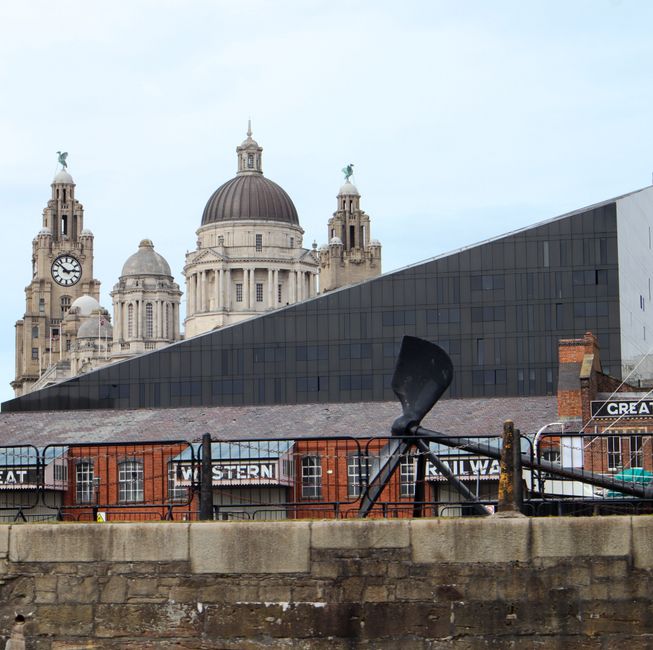
The hospitality sector is feeling the divergence most sharply. American visitor numbers to Liverpool, traditionally strong given the city's Beatles heritage and the pull of the Merseyside waterfront, have softened this summer, with travel agents on Bold Street reporting a noticeable drop in transatlantic bookings compared with the same period in 2025. That trend tracks directly with the chilling effect of Washington's expanded visa and entry restrictions, which have made US travellers more cautious about international trips generally. Hotels around the Albert Dock and the Ropewalks district say forward bookings for July and August are running roughly 12 percent below last year's figures.
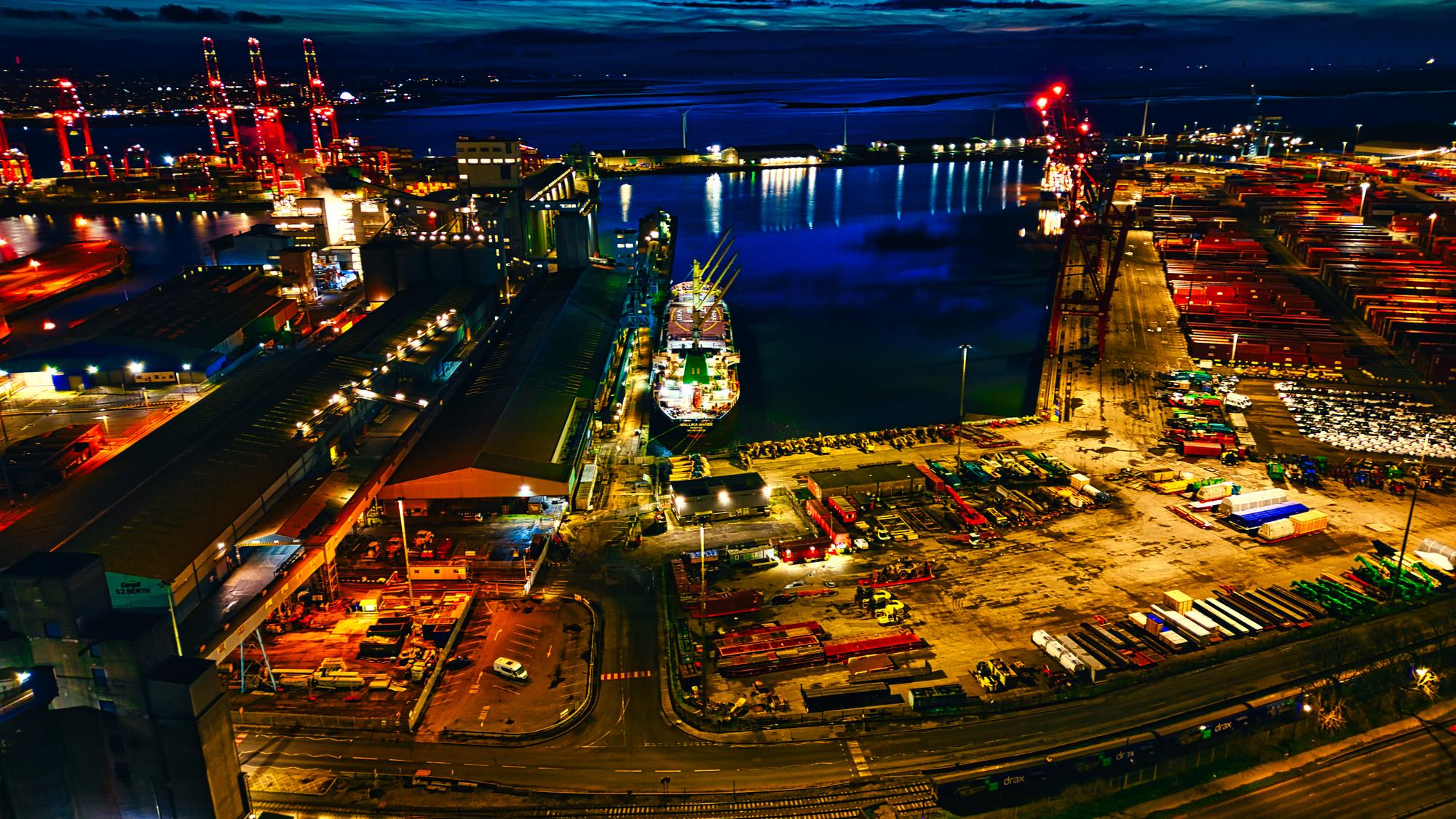
The contrast with Mexico is striking. American tourists, unable or unwilling to travel further afield, are staying closer to home, pumping money into Mexican destinations ahead of next year's World Cup fixtures. Liverpool, which had positioned itself as a potential hub for international football tourism given the proximity of Everton's new stadium at Bramley-Moore Dock and Anfield's ongoing capacity works, is watching potential spending flow elsewhere. The Mersey Maritime cluster on the waterfront, which had been exploring sports tourism logistics partnerships, is quietly recalibrating those projections.
Energy and Manufacturing: The Iran Factor
Away from tourism, the death of Ayatollah Khamenei and the subsequent uncertainty in Tehran is feeding through to energy markets in ways that are directly relevant to Liverpool's industrial base. Brent crude climbed above $91 a barrel on Thursday as traders priced in Middle East instability, and that feeds almost immediately into the operating costs of manufacturers on the Merseyside Industrial Zone at Speke and the chemical processing firms along the Wirral bank of the Mersey. For businesses running thin margins on energy-intensive processes, a sustained oil price rise threatens the kind of cost pressures that historically precede hiring freezes.
The Liverpool City Region's advanced manufacturing sector employs around 38,000 people directly, according to the Combined Authority's 2025 economic baseline report. Those jobs are disproportionately concentrated in Halton and the southern Liverpool corridors, areas that already carry higher deprivation scores. Even a modest uptick in energy costs, the Federation of Small Businesses' North West branch estimated in May that a ten percent rise in energy bills equates to an average annual hit of £7,400 for a small manufacturer in the region, can tip a hiring plan into a redundancy consultation.
There are some countervailing pressures. The UK government's overseas development cuts, which included an education programme for women and girls axed after only two years, have triggered a small but real wave of returning aid and development sector professionals. Several have been absorbed by Liverpool John Moores University's international development research unit and by Mersey Care NHS Foundation Trust's global health partnerships team, both of which have posted mid-level roles in the past six weeks.
The practical picture for job-seekers is to watch the sectors that are genuinely insulated from these crosswinds: digital and tech roles around the Baltic Triangle remain relatively robust, with the tech cluster there posting 340 live vacancies on the Liverpool Digital job board as of this week. For employers, the Combined Authority's Business Growth Programme, which offers subsidised wage support for new hires in priority sectors, closes its current funding round on 31 August, and given the external pressure on costs, that deadline is worth treating seriously.