Wellness
Farmers Markets Liverpool: Best Summer Produce Now
July is peak season at Liverpool's farmers markets. Discover seasonal produce, competitive prices, and where nutritionists shop for fresh food this summer.
4 min read
Updated 9 h ago
Wellness
July is peak season at Liverpool's farmers markets. Discover seasonal produce, competitive prices, and where nutritionists shop for fresh food this summer.
4 min read
Updated 9 h ago
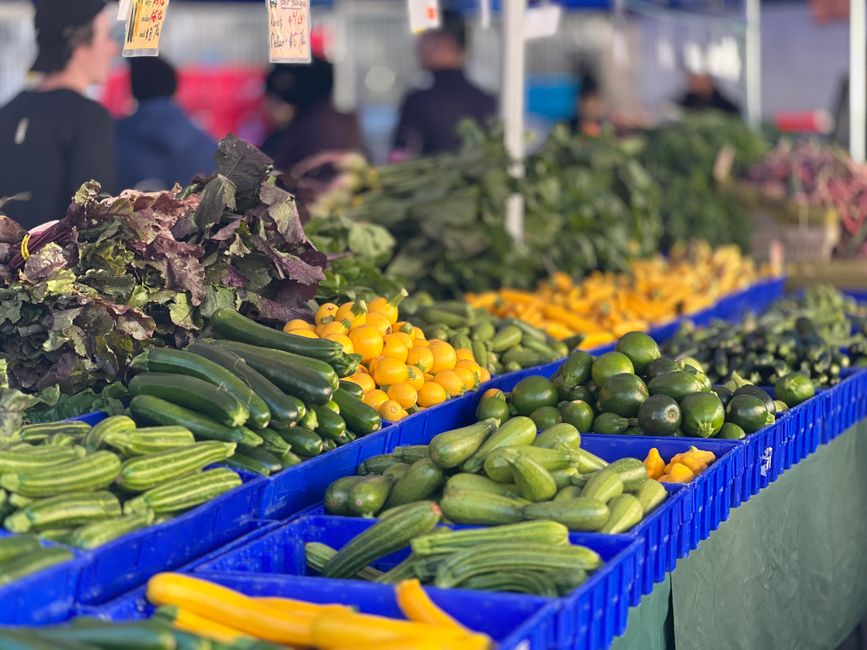
Liverpool's outdoor market scene is having a moment. Footfall at the city's regular farmers and produce markets has climbed steadily through the first half of 2026, with vendors at St John's Market on Elliot Street reporting some of their busiest Saturday mornings since the post-pandemic bounce of 2022. July is, by most measures, the single best month to show up with a canvas bag and an appetite.
The timing matters because British seasonal eating is finally getting serious traction outside of food media circles. With household food budgets squeezed, the Office for National Statistics put average weekly grocery spend for a family of four at £113.40 in its May 2026 figures, buying local and in-season is no longer just an ethical choice. It is often the cheaper one. A punnet of Cheshire-grown strawberries at a market stall this week runs around £2.50, against £3.80 or more for imported equivalents on supermarket shelves.
St John's Market remains the anchor for anyone serious about fresh produce in the city centre. Open Tuesday through Saturday, the indoor and outdoor sections carry a rotating cast of North West suppliers, and by early July the soft fruit is genuinely exceptional. Locally grown courgettes, broad beans and the first outdoor tomatoes from producers in the Cheshire Plain are already appearing. The beans alone, harvested young and eaten within 48 hours of picking, carry a sweetness that has nothing to do with any supermarket shelf.
Further south, the Woolton Village Farmers Market, held on the first Sunday of each month at Woolton Village Hall on Quarry Street, is smaller but arguably more curated. Regular stallholders include producers bringing heritage-variety salad leaves, free-range eggs from hens kept in Lancashire, and artisan cheeses from a Wirral-based dairy that has been supplying the market since 2019. July's edition, which falls on Sunday 6 July, is typically one of the busiest of the year. Regulars advise arriving before 10am if you want the pick of the brassicas.
The Lark Lane Organic and Artisan Market in Aigburth, which runs on the last Saturday of each month, draws a younger demographic and skews toward value-added produce, think cold-pressed rapeseed oil, fermented vegetables and whole-grain sourdough using flour milled in Yorkshire. Nutritionally, the fermented goods category is worth attention. A 2024 review published in the journal Gut Microbiome found that consistent consumption of fermented vegetables was associated with a 19 percent improvement in gut microbiome diversity among adults over a 12-week period. Several Lark Lane vendors stock kimchi, sauerkraut and water kefir at price points between £4 and £7 per jar.
Nutritionally, July in the North West is dominated by a handful of standout categories. Courgettes are at their best and cheapest, 60p to 80p each from most stalls, and are one of the more underrated sources of vitamin C and potassium. Broad beans, eaten fresh rather than dried, offer a meaningful hit of plant protein and folate. The strawberry season for British-grown fruit typically peaks between late June and mid-August; the variety most commonly grown for local markets, Elsanta, is higher in vitamin C than many imported alternatives tested by Which? in their 2025 seasonal produce report.
Garlic is another July highlight. Freshly harvested wet garlic, distinguishable by its moist, papery skin and milder flavour, appears on North West stalls for only a few weeks each year. It is considerably more digestively gentle than the dried bulbs most people are used to, and several Cheshire growers supply St John's Market direct.
For anyone looking to make the most of what the region offers right now, the practical advice is straightforward: go early, bring cash (most stalls accept card but queues at the reader slow things down), and buy more than you think you need. Broad beans freeze well after blanching. Courgettes can be spiralised and frozen in portions. The local harvest does not wait, and neither should you. For personalised dietary advice based on your own health needs, a registered dietitian at a Liverpool GP practice or through the NHS Liverpool Clinical Commissioning Group is always the right first call.
This article was compiled by AI and screened before publishing. See our editorial standards.

Wellness

Wellness

Wellness

Wellness
About this article
Published by The Daily Liverpool
Spread the word
Daily brief
Free, in your inbox before 7am. Weekdays.