More Liverpool residents are turning to meditation in 2026, and the city's wellness infrastructure has grown to meet them. From drop-in sessions in the Georgian Quarter to workplace mindfulness programmes rolling out across the Baltic Triangle, the barriers to starting a sitting practice have never been lower, and the evidence for why you should bother has never been stronger.
The timing matters. Cost-of-living pressure, stalled career satisfaction, and a general sense of cultural noise are pushing people toward practices that cost nothing and require almost no equipment. A regular meditation habit, practitioners and researchers argue, is one of the few interventions that is simultaneously free, portable, and backed by decades of clinical data.
Liverpool Mindfulness Centre on Rodney Street runs an eight-week Mindfulness-Based Stress Reduction course, the standardised MBSR programme developed by Jon Kabat-Zinn at the University of Massachusetts in the 1970s and now offered in NHS trusts across England. The course typically costs £180 for the full eight weeks, though bursary places are available. Sessions run on Tuesday evenings at 6.30pm.
At the other end of the price spectrum, the Liverpool Buddhist Centre on Bold Street offers a Tuesday lunchtime drop-in meditation class for a suggested donation of £5. No experience required, no obligation to engage with Buddhist philosophy. You show up, sit for 45 minutes, and leave. Many regular practitioners in the city trace their practice back to that room.
The Baltic Triangle's co-working spaces have also begun folding short guided sessions into their midday schedules. Elevator Studios on Jordan Street introduced a 15-minute guided breathing session on Wednesdays in January 2026, initially as a pilot for resident members. It has since become one of the building's most consistently attended weekly events.
What the Evidence Actually Says
Ignore the wilder claims you'll encounter online. Meditation will not cure chronic illness, fix a broken relationship, or make you spiritually enlightened by February. What the research does show, consistently, is more modest and genuinely useful.
A 2024 meta-analysis published in JAMA Internal Medicine, drawing on 47 randomised controlled trials and more than 3,500 participants, found that mindfulness meditation produced moderate reductions in anxiety, depression, and pain. The effect sizes were comparable to antidepressant medication for mild-to-moderate symptoms, without the side effects or the prescription. That finding has driven renewed NHS interest in recommending MBSR as a first-line intervention.
For beginners, the research is also clear on dose. You don't need an hour a day. Studies consistently show that ten minutes of daily practice, sustained over eight weeks, produces measurable changes in self-reported stress levels. That's two songs on a playlist. That's the length of a commercial break.
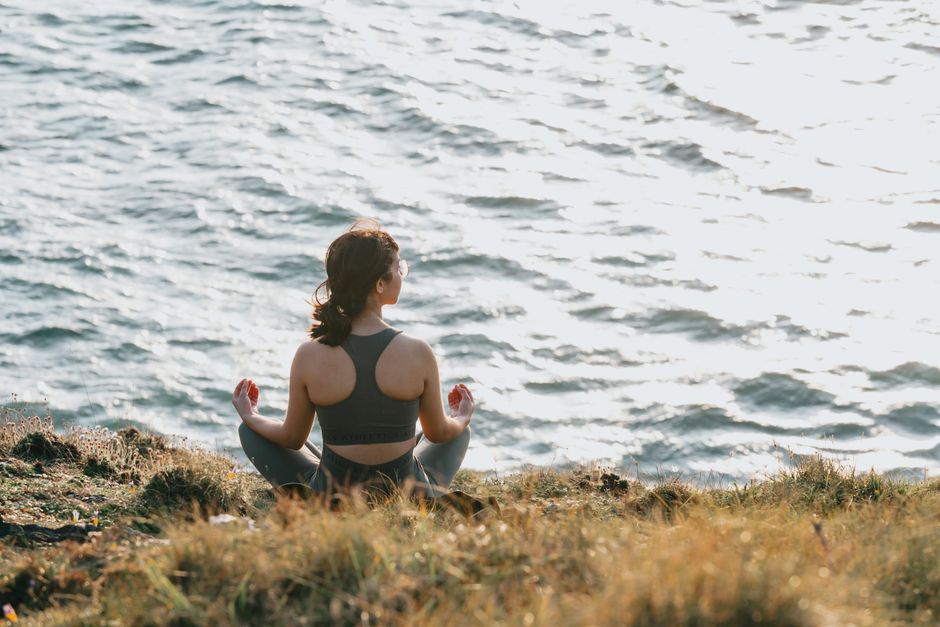
The practical mechanics are simpler than the wellness industry would have you believe. Sit comfortably, a chair is fine, the floor is fine, a park bench on Sefton Park's lakeside path on a dry morning is fine. Set a timer for ten minutes so you're not checking your phone. Focus on the physical sensation of breathing: the air entering through your nose, the rise of your chest or belly, the exhale. When your mind wanders, and it will wander approximately every four seconds, notice that it has wandered, and return your attention to the breath. That's the entire practice. The returning is the practice.
Apps like Insight Timer offer thousands of free guided sessions and a straightforward timer function with optional interval bells, which many beginners find helpful for the first few weeks. The paid tier costs £59.99 annually, but the free version is genuinely sufficient to get started.
The best advice from Liverpool's established mindfulness community is consistent: start this week, start small, and don't treat a wandering mind as a sign of failure. Booking onto the Liverpool Buddhist Centre's next Tuesday lunchtime session, or downloading a free timer and sitting for ten minutes tomorrow morning before the household wakes up, is a more useful act than reading another article about how meditation might change your life. Go and find out for yourself.