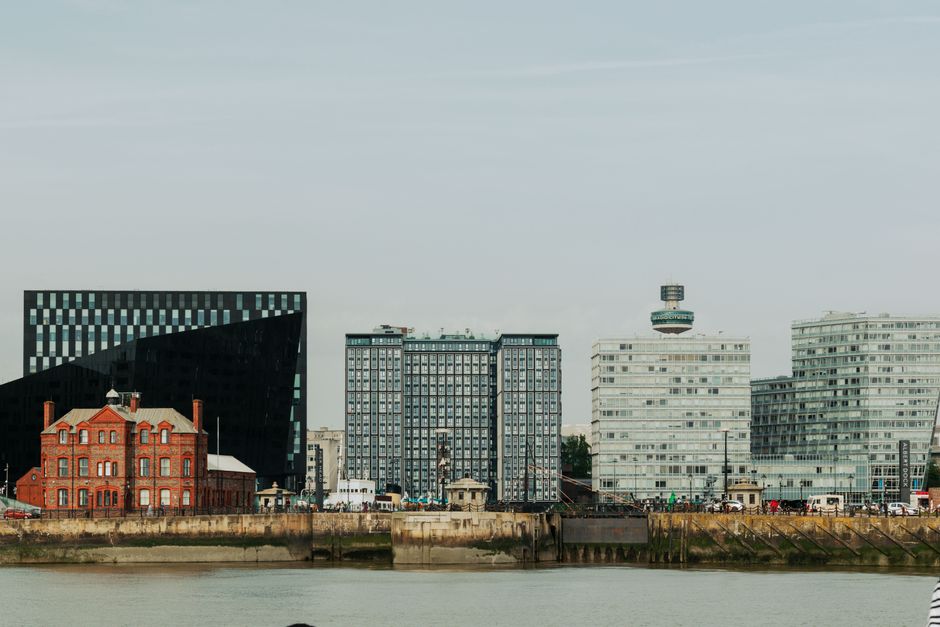
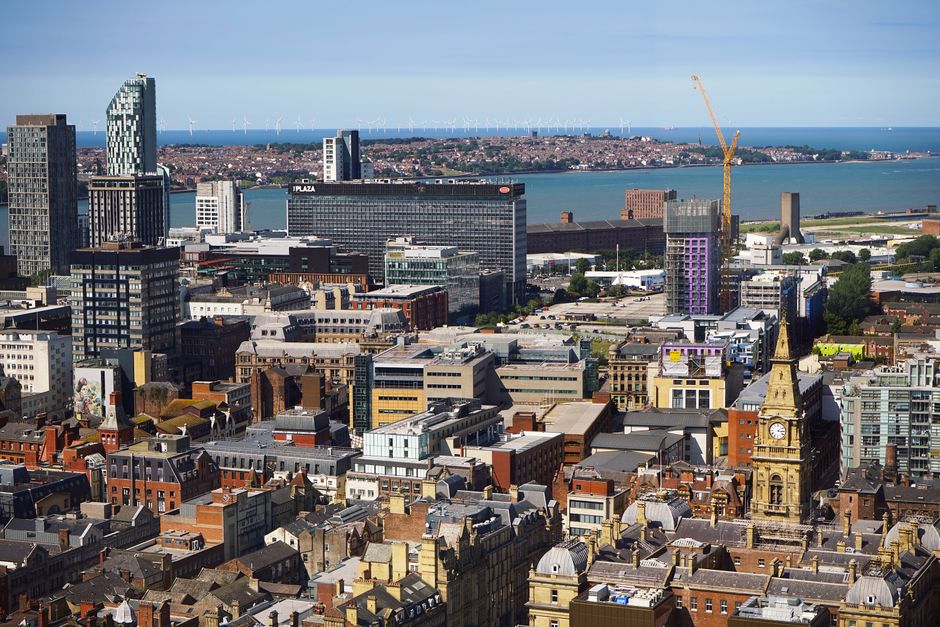
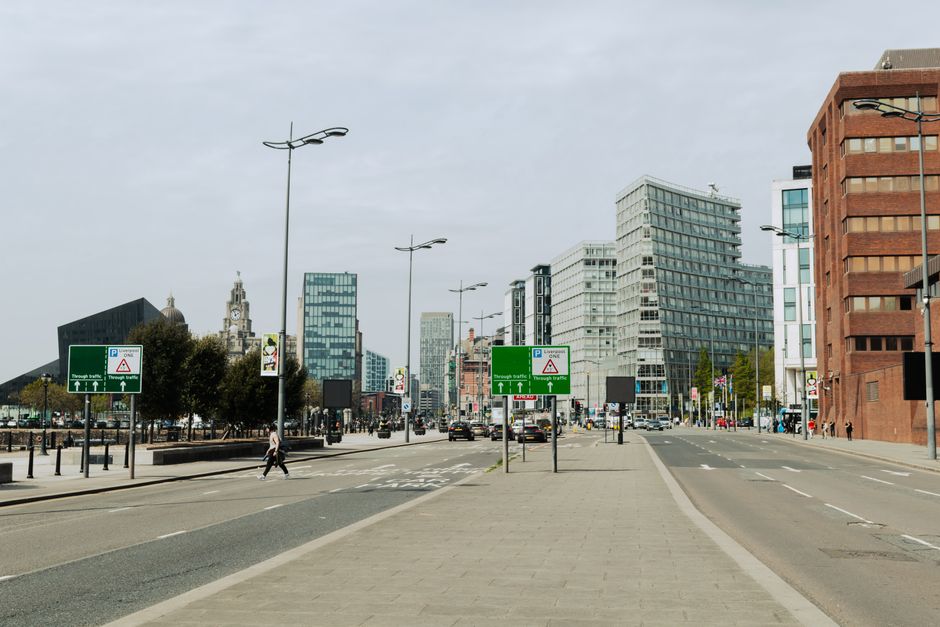
Liverpool City Council's planning and licensing departments have come under increasing pressure this year to address the spread of duplicate and digitally manipulated photographs in property listings across the city, with concerns now stretching from Toxteth landlords to commercial developers pitching schemes near the waterfront. The core complaint: images recycled from other properties, or digitally stripped of damp patches and broken windows, are being used to market homes and rental units that bear little resemblance to what tenants and buyers find on arrival.
The issue has gained urgency in 2026 because Liverpool's private rental sector has grown sharply in recent years, with Merseyside's overall rental market tightening considerably since the Renters (Reform) Act came into force in England. Advocacy workers say the deceptive image problem is not a quirk of individual bad actors, it is baked into platforms that have weak verification requirements and place the burden of complaint entirely on the prospective tenant after they have already paid holding deposits.
What the Experts Are Telling the Council
Shelter's Merseyside team, which operates a drop-in advice service on Renshaw Street in the city centre, has raised the duplicate image problem in submissions to the council's Housing and Communities Committee. The organisation, which handles casework from renters across Liverpool 1, Liverpool 8 and the wider L15 corridor, argues that digitally altered listing photographs function as a form of misrepresentation under the Consumer Protection from Unfair Trading Regulations 2008, a legal argument that trading standards officers at Liverpool City Council have not yet formally tested in a local prosecution.
Property law specialists based at Liverpool John Moores University's School of Law have pointed to the gap between existing legislation and enforcement capacity. The Advertising Standards Authority received more than 800 complaints nationally about misleading property photographs in 2025, but the ASA has no statutory power to compel landlords to compensate tenants who signed leases based on false images. That enforcement gap, academics argue, falls squarely on local trading standards teams, teams that have seen resource reductions over the past decade.
Liverpool-based letting agency Brindley Place Property Group, which manages a portfolio of homes across Kensington and Wavertree, introduced a mandatory image verification policy for all new listings in January 2026, requiring agents to submit dated photographs taken within 30 days of any listing going live. The policy emerged after a formal complaint from a tenant who moved into a Tunnel Road property that had been marketed using photographs from a previous tenancy showing a fully refurbished kitchen that no longer existed. The agency has not faced regulatory action but chose to self-regulate ahead of any council mandate.
What Happens Next for Liverpool Renters
Liverpool City Council confirmed in its Housing Strategy Update, published in March 2026, that a review of the Selective Licensing scheme, which currently covers parts of Anfield, Picton and Princes Park, would consider whether listing image standards could be incorporated as a compliance condition on landlords seeking or renewing licences. Licences under the scheme cost landlords £750 per property for a five-year term, giving the council a financial lever it could use to incentivise honest marketing materials.
Consumer rights organisation Which? published guidance in May 2026 advising renters to use reverse image search tools on every listing photograph before paying any deposit, a basic step that can identify images lifted from other postcodes or even other cities. Community group Homebaked, which operates from Oakfield Road in Anfield and has been involved in community land trust development in the area, has begun running informal digital literacy workshops for local residents that include this advice.
The practical outlook for renters this summer is straightforward: photograph verification tools are free and take minutes, but structural protection depends on the council moving the licensing review forward. The Housing and Communities Committee is scheduled to report back on the selective licensing expansion by September 2026. Until that happens, the gap between what appears on a listing and what a tenant finds on moving day remains largely a matter of luck and individual vigilance.