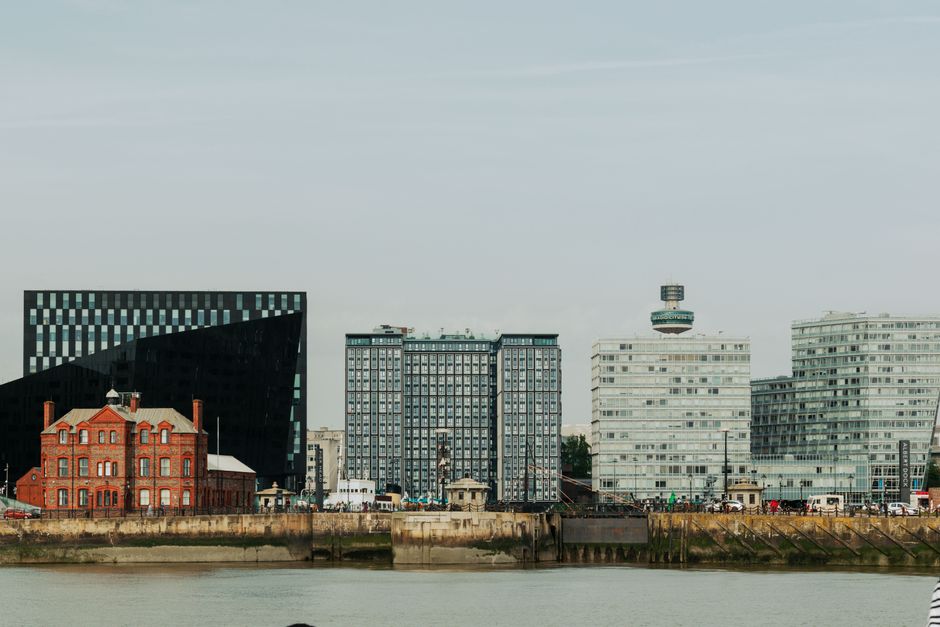
Thousands of property records held by Liverpool City Council contain duplicate or incorrect images — a data quality problem that is slowing planning applications, complicating housing benefit claims, and frustrating community organisations trying to navigate development proposals in their own neighbourhoods.
The issue, known in local government circles as duplicate image replacement, sits at the unglamorous end of digital infrastructure — but its consequences are anything but abstract. When a planning file for a terraced house in Kensington or a community centre in Toxteth carries the wrong photograph, or the same image appears across multiple records, officers must manually verify the correct asset before a decision can progress. That adds days, sometimes weeks, to processes that residents are already waiting on.
Why Liverpool's Housing Pressures Make This Urgent Now
Liverpool has been running a significant programme of housing regeneration since 2023, with major schemes active across Anfield, the Baltic Triangle, and the Dingle. The Liverpool City Region Combined Authority has allocated funding toward digitising legacy council records as part of its wider Smart City programme — but digitisation without data cleansing simply locks old errors into new systems faster.
The council's planning portal, which went through a major upgrade in late 2024, pulled in archival imagery from multiple legacy databases. That merger created precisely the conditions in which duplicate images proliferate: two records, same address, different photographs — sometimes one current, one decades old, occasionally both wrong. For a resident on Smithdown Road submitting a permitted development application, or a housing association in Wavertree trying to evidence a property's condition for a repair grant, an officer having to chase down the correct image is not a trivial inconvenience. Applications for certain improvement grants under the Warm Homes: Local Grant scheme, which opened to Liverpool households in early 2025, require verified property-level records. A duplication flag can pause that verification.
Community land trusts and tenant groups working with the Eldonian Community Trust in Vauxhall have flagged similar friction when accessing records for assets they manage or have an interest in. The trust, which oversees housing and community facilities across a stretch of land between Burlington Street and the Leeds-Liverpool Canal, relies on accurate documentation for everything from insurance renewals to planning submissions for incremental improvements to its stock.
What the Data Shows — and What It Means in Practice
Nationally, a 2024 review by the Planning Advisory Service found that data quality errors — including duplicate records and mismatched imagery — were a contributing factor in processing delays at a majority of English local authorities surveyed. Liverpool, managing a planning caseload that ran to more than 4,200 applications in the 2024-25 municipal year, is not uniquely affected, but the scale of its regeneration activity amplifies the risk. More applications, more records, more opportunity for duplication to cause downstream problems.
The practical cost is measurable. A single delayed planning decision on a residential extension typically adds between £150 and £400 to a homeowner's professional fees, according to estimates published by the Royal Institution of Chartered Surveyors in 2025, when architects and surveyors must correspond repeatedly with council officers to resolve record discrepancies. Multiply that across hundreds of affected applications and the aggregate burden on Liverpool households becomes substantial.
The council has begun a phased duplicate image replacement exercise, prioritising records in active regeneration zones first. Residents with live applications in Anfield, Everton, or the waterfront development areas around Peel L20 should check their planning portal accounts for any data verification requests and respond promptly — delays on the applicant side compound delays caused by the data problem itself. Tenants and community groups seeking housing records for grant or legal purposes can contact the council's Land and Property team directly, referencing the duplicate image review programme, to request manual verification ahead of any scheduled automated pass. Getting ahead of the queue matters: the phased programme is expected to run into early 2027.