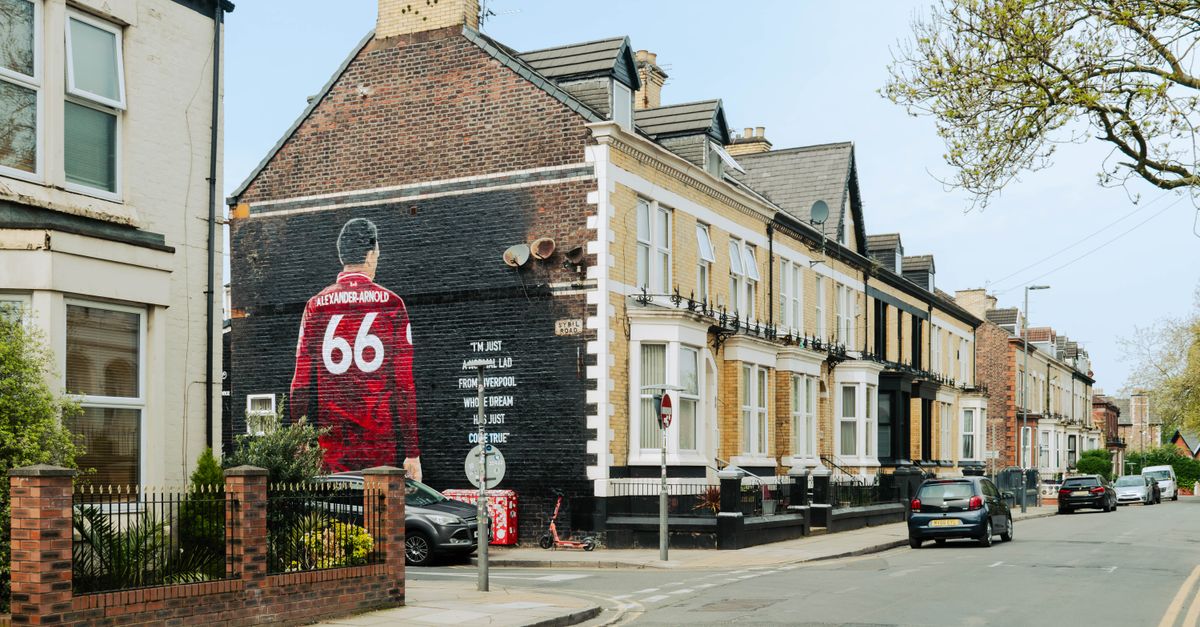
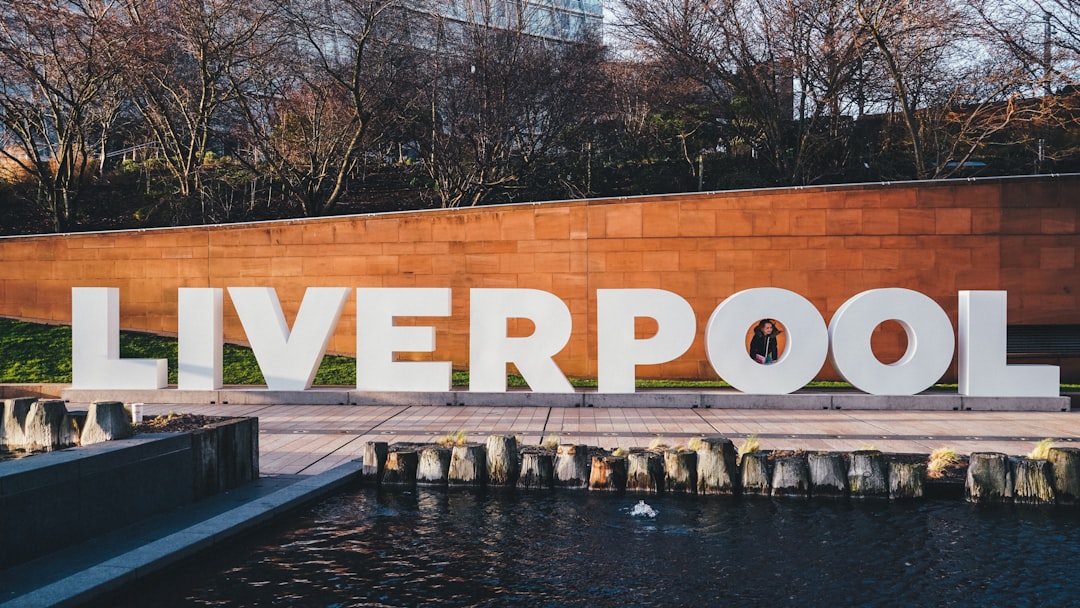
The thermometer hit 34 degrees on Water Street yesterday. By noon, the outdoor tables at Bold Street's independent cafes had filled entirely, every stool occupied by people seeking shade and cold drinks. Liverpool's summer hospitality sector is experiencing a quiet surge that doesn't quite make the headlines-not the frantic rebuilding of two years ago, but something steadier. The people running these places are determined to make them matter.
There's particular reason to appreciate what's happening in Liverpool's bars and restaurants right now. With extreme heat crushing continental Europe-France recorded over 2,000 excess deaths during last month's heatwave-and economic uncertainty rippling through supply chains globally, local independent venues have become anchors for communities seeking predictability and human interaction. These aren't chains designed by algorithms. They're spaces built on someone's vision, often someone from the neighbourhood.
Where the Work Gets Done
Start in the Baltic Quarter, where the old warehouse conversions have become the city's most talked-about food destination. Venues like Hanky Park, which opened its doors in spring 2024, draw customers who specifically choose to spend their money locally. The independent coffee roastery movement has similarly transformed parts of Duke Street and the Ropewalks-spaces where the owner typically works the espresso machine four days a week. The Cavern Quarter remains packed, but the real action now happens in smaller corners: independent wine bars tucked into converted shopfronts, brewery taprooms staffed by people who care about the product.
Albert Dock continues to pull tourists, but venture into the side streets of Georgian Quarter and you find small plates restaurants, independent cocktail dens, and delis where the proprietor knows regular customers by name. These venues aren't undercutting each other. They're collaborating. Three months ago, over 40 independent restaurants and bars across Liverpool participated in a collective summer promotion, with each offering a discounted menu item tied to locally sourced suppliers. The participation rate reflected genuine community buy-in rather than marketing obligation.
The Numbers Behind the Scenes
Liverpool's independent hospitality sector employs approximately 8,400 people directly, according to the most recent Liverpool BID business survey from March 2026. Sixty-three percent of those workers were hired from within the city postcodes. That matters. When economic pressures mount elsewhere-when geopolitical instability disrupts supply chains or extreme weather closes competitor venues across the continent-local employment becomes tangible social infrastructure.
Retail follows a similar pattern. Bold Street's shop turnover dropped to 12 percent vacancy this spring, down from 17 percent two years earlier. That shift reflects not chains returning, but independent fashion retailers, vintage book shops, and specialist food importers taking calculated risks on permanent premises. Market Street's boutique cluster-home to roughly 26 independent retailers within a two-block radius-now draws deliberate shopping trips rather than foot traffic.
The people making these decisions are not typically wealthy investors. Many operate on thin margins. Many work 60-hour weeks. What they share is commitment to operating within their neighbourhood, understanding their customers as neighbours rather than transactions, and building something that can't be franchised.
If you're planning Liverpool visits or rediscovering your own backyard this summer, the simple advice holds: seek out the independent spots. Learn the names of the people behind the counter. These are the faces that actually make a place liveable, especially when everything around it feels uncertain. That's worth your time and your money.