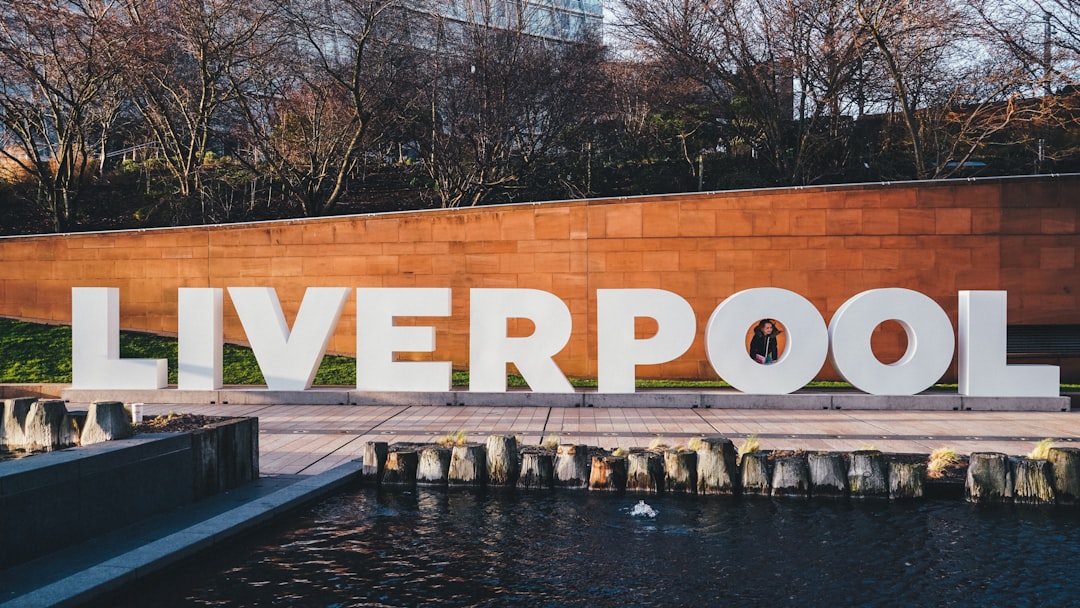
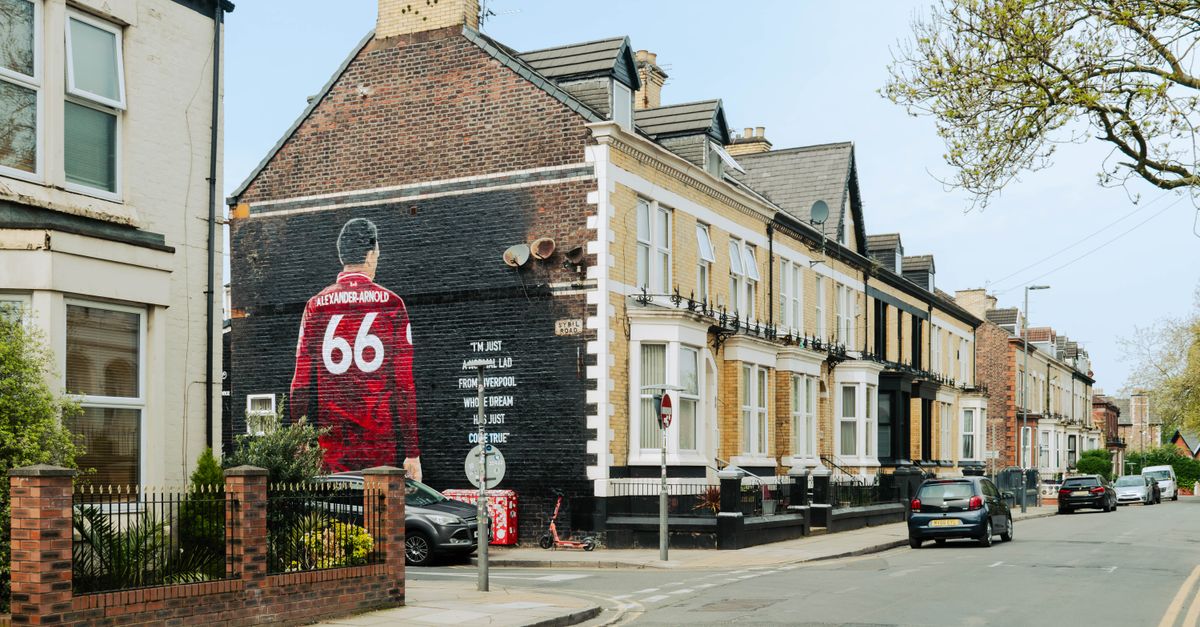
The city's summer calendar is packed tighter than it's been in years. Art galleries have extended their opening hours through August. The waterfront venues are running back-to-back programming. And locals? They're tired of the usual tourist trudges and looking for places that actually feel like theirs again.
This matters now because Liverpool's lifestyle scene has fundamentally shifted since the pandemic. Residents have become more selective about where they spend their time and money. The casual wandering that once defined a Saturday afternoon has given way to intentional choices-places that deliver genuine experiences rather than Instagram moments. With temperatures creeping higher across Europe this summer and more people choosing to spend time indoors during peak heat, the city's cultural institutions and covered venues have become essential anchors for how people structure their weeks.
Where the Real Action Is
Start with Baltic, the contemporary art space on Jamaica Street in the Baltic Triangle. The gallery has just launched a three-month residency program that runs through September, featuring artists working across installations, video, and experimental sound. Entry is free. The building's rooftop bar stays open until 9 p.m. on weekends, and the sightlines across the city from up there beat any postcard.
Head south to Sefton Park, specifically around the Palm House. The Victorian glasshouse has reopened its café after renovation work wrapped up in April, and it's become the quietest spot in the park to actually sit and read without crowds. A flat white runs £3.50. The park itself stretches 235 acres, so most people cluster near the main entrances. Walk fifteen minutes deeper, and you'll find yourself virtually alone.
For evenings, the Cavern Quarter on Matthew Street still draws visitors, but locals have learned that the smaller venues tucked into the surrounding streets-The Grapes on Roscoe Street, for instance-offer proper conversation space where you can actually hear people talk. The Cavern Quarter has seventeen independent bars within a three-minute walk now, up from nine in 2023.
The Numbers That Actually Matter
Liverpool's walker footfall data shows residents are visiting cultural venues 34% more frequently than they did last year. The Walker Art Gallery on William Brown Street has extended Wednesday and Friday evenings to 9 p.m. to accommodate the shift. Annual membership costs £120 and includes unlimited entry plus priority booking for special exhibitions.
The Metropolitan Cathedral on Mount Pleasant offers something different entirely: the building's architecture is extraordinary, and Tuesday morning services draw maybe forty people instead of hundreds. It's free, and the acoustics in there are worth experiencing alone. Summer light through the stained glass between 10 a.m. and noon is genuinely worth planning around.
Food-wise, the Baltic Market in the Baltic Triangle has settled into a rhythm where it's actually usable by locals now. It's crowded Friday and Saturday nights with visitors, but Wednesday and Thursday afternoons belong to residents. Stall prices run £8 to £16 per dish. The market expanded its kitchen capacity last year and added permanent seating for 180 people.
Don't overlook the waterfront proper. Most people stick to Albert Dock, but the stretch north toward the Three Graces and beyond toward Pier Head offers quieter sightlines. The public realm work finished in March has made the walkways considerably more pleasant, with new benches every hundred metres or so. It's become the default evening walk for residents who want to move without destination.
The practical advice: book weekday visits to major venues where possible. Call ahead or check websites before going-many institutions have shifted to staggered operating hours for summer. Bring water. Wear sun protection. And remember that some of Liverpool's best things-the parks, the waterfront, the street-level architecture-cost nothing at all and improve considerably when you're not navigating around tour groups.
This article was compiled by AI and screened before publishing. See our editorial standards.