The world, explained for Australia.

The World
A single island produces most of the world's advanced chips. When supply breaks, everything from cars to phones to defence systems feels the strain. Here's how the world's most critical supply chain works.
By The Daily World · 1 July 2026

The World
Water is the world's most traded invisible commodity. Understanding how nations compete for it, and how climate shapes supply, matters for everything from your tap to global food prices.
By The Daily World · 1 July 2026
The World
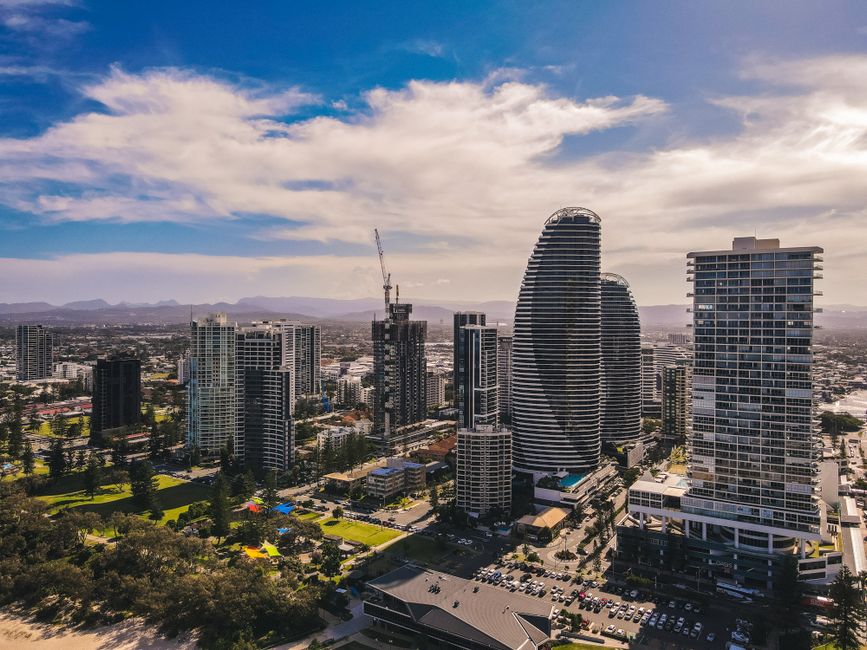
Phosphate rock is mined in only a handful of countries. Australia produces almost none, yet feeds itself and the world. Understanding this hidden dependency matters for your food security.
By The Daily World · 1 July 2026

The World
Australia's agricultural heartland depends on three nutrient markets shaped by geopolitics, weather, and mining costs a world away. When global supply tightens, your food prices follow.
By The Daily World · 1 July 2026
The World
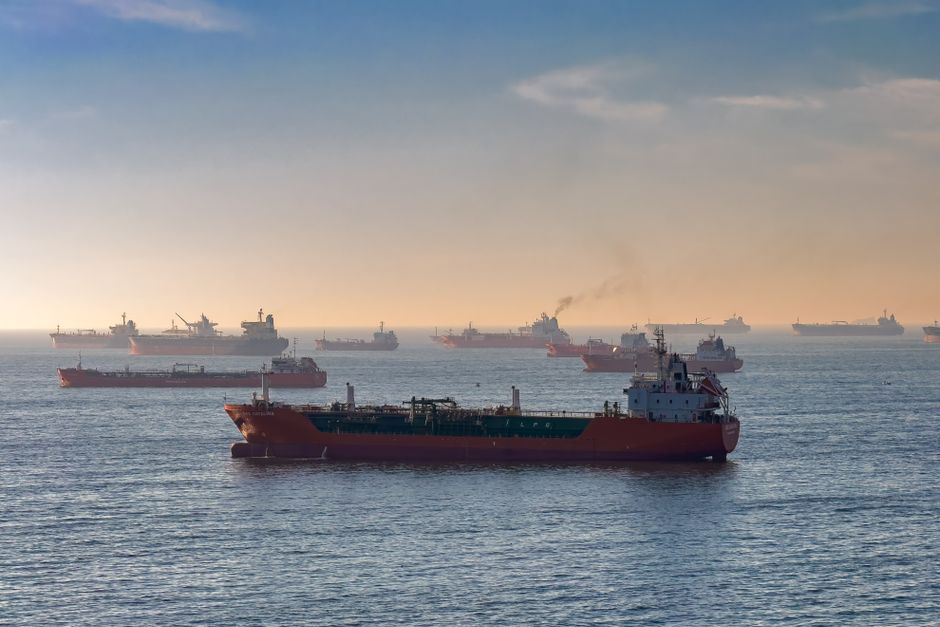
Most of Australia's petrol and diesel travels by sea in specialised ships. Understanding tanker routes, fleet capacity and chokepoint risks explains why your fuel costs shift with global events thousands of kilometres away.
By The Daily World · 1 July 2026
The World
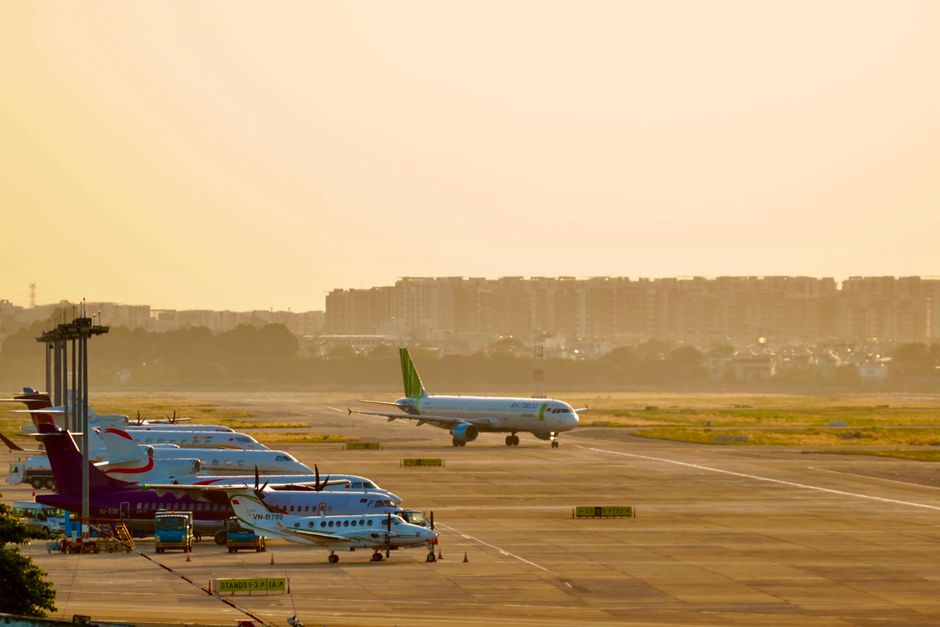
Fuel hedging, carbon costs, yield management, and geopolitical risk all feed into the price you pay for a flight to London or Bali.
By The Daily World · 1 July 2026
The World
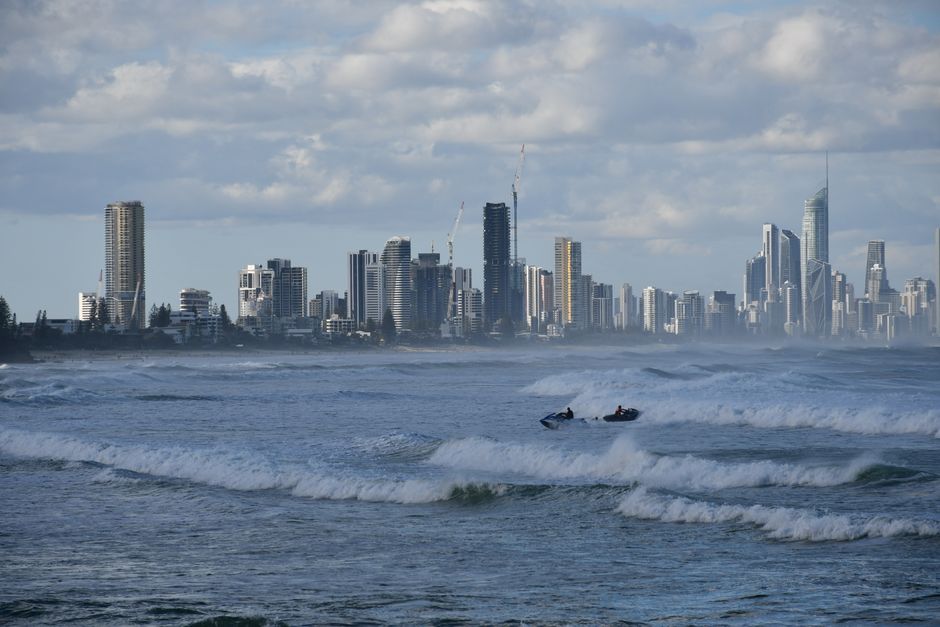
How ocean currents shape Australia's weather, fish stocks, and monsoons. Learn why these underwater rivers matter for your climate and food supply.
By The Daily World · 30 June 2026
The World
Discover how geothermal energy works and why Australia is investing in underground heat technology. Learn about reliable 24/7 renewable power generation.
By The Daily World · 30 June 2026

The World
Explore how Australia's iron ore production drives global steel markets. Learn why 900M tonnes annually shape construction, infrastructure demand, and economic growth worldwide.
By The Daily World · 30 June 2026

The World
Australia produces 25% of world's wool. Learn how the global supply chain works, why farmer prices fluctuate, and what drives demand from Milan to India.
By The Daily World · 30 June 2026
The World
Australia imports crucial fertilisers as global supply chains face disruption. Learn how nitrogen, phosphorus, and potassium shortages directly impact your grocery bills and food security.
By The Daily World · 30 June 2026

The World
As the world's second-largest producer, Australia's copper output shapes everything from power grids to tech-and price swings ripple through local wages and living costs.
By The Daily World · 30 June 2026
The World
Australia imports nearly all potassium from a few countries, leaving farmers vulnerable to supply disruptions thousands of kilometres away.
By The Daily World · 30 June 2026
The World
Sugar is one of the world's most traded commodities. Understanding how it moves from cane fields to your kitchen helps explain why prices swing, why Australia matters, and how global weather and policy shape what you pay.
By The Daily World · 30 June 2026

The World
When the US Federal Reserve, European Central Bank and other major central banks change rates, the effects reach Australian mortgages, grocery bills and petrol pumps within months.
By The Daily World · 30 June 2026

The World
Wheat feeds the world, but its price swings wildly. Here's how distant droughts, export wars, and a handful of major suppliers affect what you pay for a loaf.
By The Daily World · 30 June 2026
The World
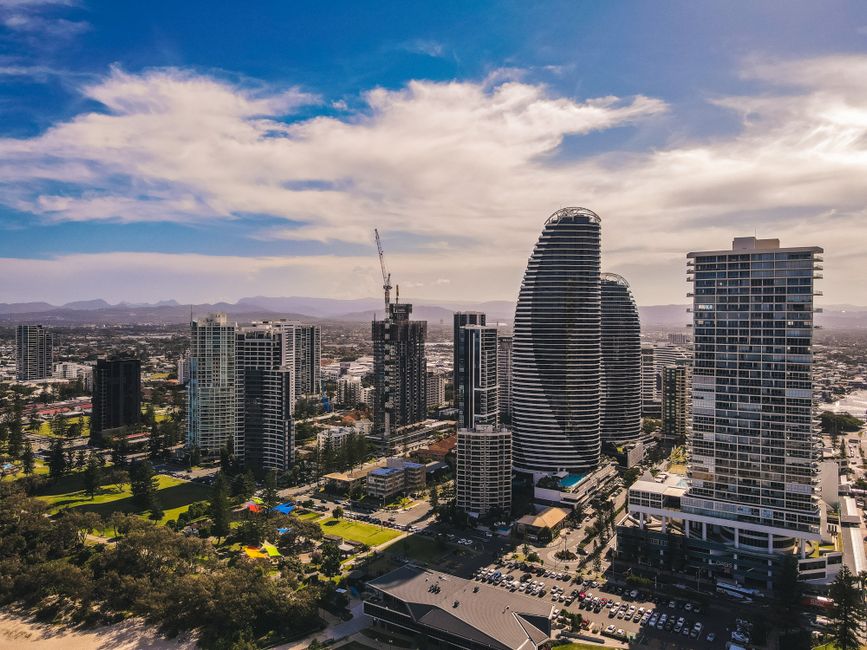
Australia produces one-third of the world's bauxite, but smelting it abroad shapes everything from aircraft to phone frames. Here's how a metal became critical to the global economy.
By The Daily World · 30 June 2026
The World
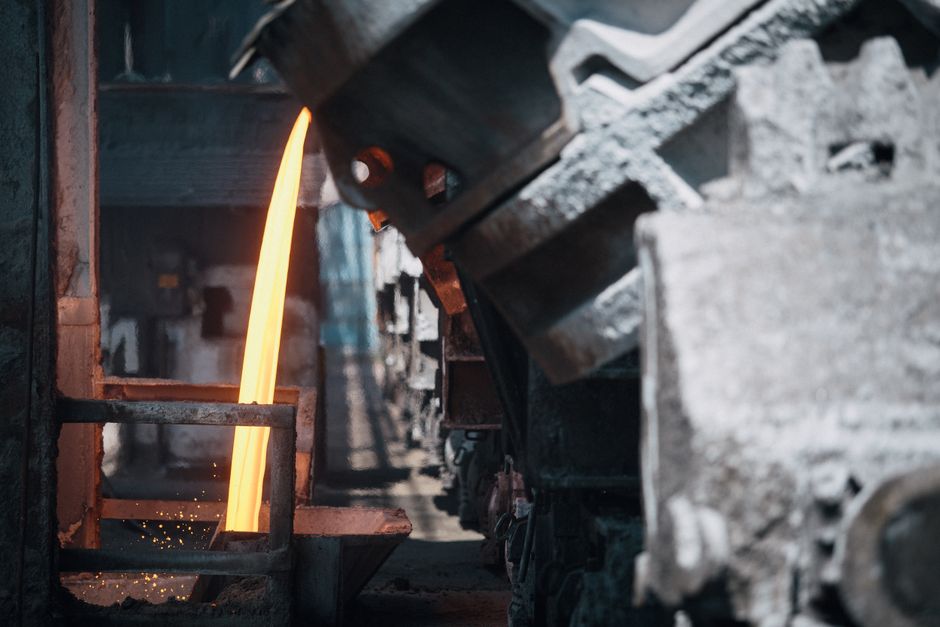
Tin is everywhere in modern life, from smartphones to solder. Australia mines it, but smelts almost none. Understanding this gap reveals a pattern in how the world's supply chains work.
By The Daily World · 30 June 2026