wellness
Sit Still, Liverpool: The Meditation Classes, Groups and Apps Worth Your Time
From a Buddhist centre off Renshaw Street to a free lunchtime session in Sefton Park, here's where Merseysiders are finding their calm.
Listen in English · 4 min
How we reported this
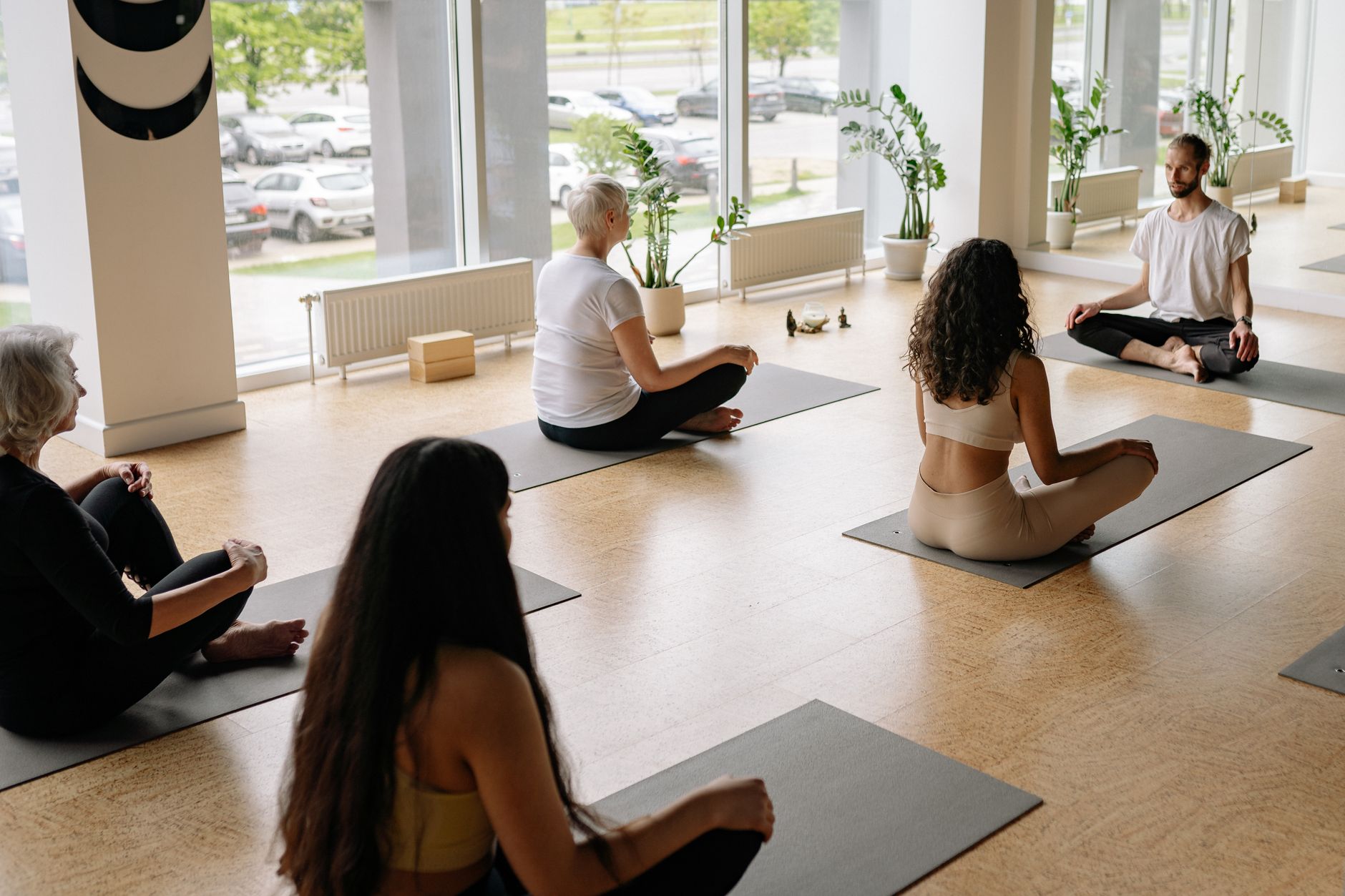
Attendance at community meditation sessions across Liverpool has increased in recent years, according to figures compiled by Merseyside Wellbeing Partnership. The city has always had an active wellness culture, but meditation is no longer a niche pursuit. It's filling church halls, office meeting rooms, and phone screens.
The timing matters. Hormones, sleep disorders and workplace burnout are dominating public health conversations this summer. A recent NHS England snapshot found that many adults in the North West reported significant difficulty switching off from work-related stress. Mindfulness-based approaches, when practised consistently, have been shown in peer-reviewed research to reduce symptoms of anxiety over an eight-week period. That kind of evidence has moved the conversation from wellness trends into GP surgeries. As always, anyone considering meditation as support for a diagnosed condition should talk to a local healthcare professional first.
Where to Go in the City
The Serene Mind Centre on Bold Street has been running structured eight-week Mindfulness-Based Stress Reduction courses since 2019. The current cohort begins in July. Places cost around £120 for the full programme, though a means-tested sliding scale brings that down for those on low incomes. Sessions run every Tuesday evening from 7pm in their first-floor studio. The emphasis is practical, breathing exercises, body-scan techniques, short sitting meditations, rather than any particular spiritual tradition.
Three streets away, the Liverpool Buddhist Centre on Maryland Street operates a drop-in meditation class every Monday and Wednesday at 6.30pm. Entry is by donation, with a suggested amount. The centre draws a genuinely mixed crowd: students from the nearby University of Liverpool, retirees, shift workers catching a midweek pause. No experience is required and no belief system is assumed.
Sefton Park hosts its free guided outdoor session every Saturday morning at 8am, weather permitting, run by the community group Open Ground Merseyside. Participants meet at the Palm House entrance. Sessions last 45 minutes and follow a loosely secular mindfulness format. The group has been operating since 2024 and has a regular attendee base.
Apps for When You Can't Get Out
For those working irregular hours or caring responsibilities that make fixed sessions difficult, app-based practice has matured considerably. Headspace remains a well-resourced option for beginners, with an annual subscription and a free trial. Insight Timer is a strong free alternative, offering many guided sessions and a growing library of UK-specific content. Calm's sleep-focused programmes are worth exploring specifically if disrupted rest is the presenting problem rather than daytime stress.
For those who prefer something less corporate, the app Waking Up, developed by philosopher and neuroscientist Sam Harris, takes a more rigorous, evidence-led approach than most. It costs an annual fee but offers free access to anyone who genuinely cannot afford it. The structured 28-day introductory course is particularly well-regarded among people new to formal sitting practice.
The practical advice is straightforward: start local and start small. A single drop-in session at the Liverpool Buddhist Centre or a Saturday morning at Sefton Park costs very little and requires no commitment. If a structured eight-week course appeals, the Serene Mind Centre's July intake is filling. App users consistently report better outcomes when they pair digital practice with at least occasional in-person sessions, the accountability of a room full of other people quietly sitting is, apparently, hard to replicate through a phone speaker. Liverpool has enough options now that there's no good reason to wait until September to find out.