Technology
Liverpool's Tech Sector Maps Out Its Next Moves: The Products, Platforms and Programmes Arriving Before 2027
From Baltic Triangle hardware labs to Paddington Village's life-sciences spinouts, the city's digital economy is building toward a defining eighteen months.
How we reported this
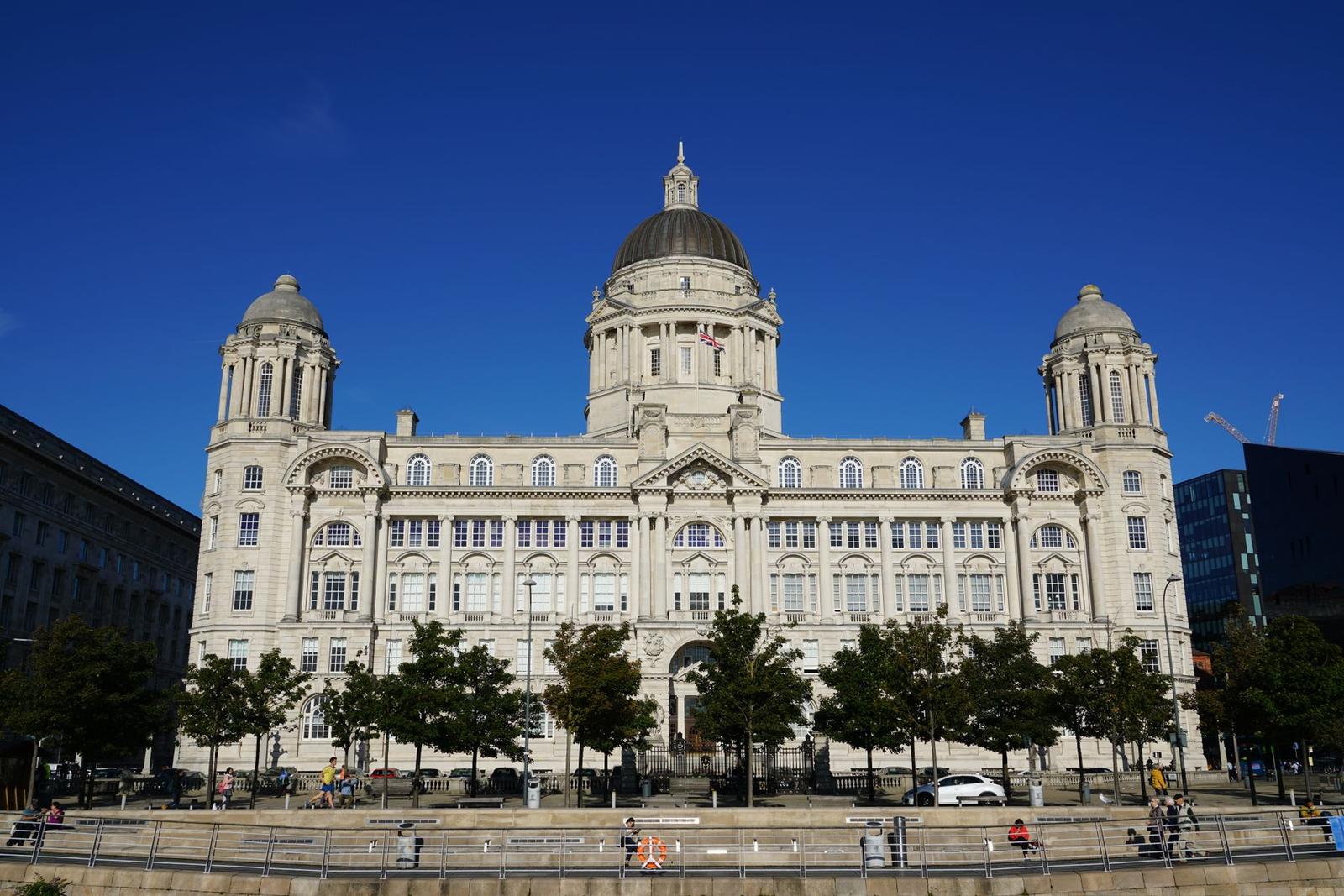
Liverpool's technology sector is sitting on a pipeline worth an estimated £340 million in projected commercial activity, according to figures compiled by Liverpool City Region Combined Authority and released this week. Across roughly a dozen active development programmes, the companies involved are not tinkering at the margins, they are building products scheduled to reach market before the end of 2026 or early into 2027.
The timing matters because the broader European context is pressing hard on every city with ambitions in deep tech. France recorded more than 2,000 excess deaths during the June heatwave, which has accelerated demand for climate-adaptive urban infrastructure across the continent. Energy uncertainty out of Eastern Europe is making energy-management software a growth category overnight. Liverpool's startups, several of them clustered along Greenland Street in the Baltic Triangle, are directly pitching into both of those gaps.
What's Actually Being Built
Sensor City, the University of Liverpool and Liverpool John Moores University joint venture on Brownlow Hill, has three hardware-software products moving from prototype into pre-commercial pilot this quarter. One of them is a low-power environmental monitoring node designed to sit on lampposts and feed real-time air quality and heat-stress data to local authority dashboards, directly relevant given summer temperature extremes now hitting cities across Europe. Sensor City's team has been in discussion with Liverpool City Council about deploying up to 400 units across the city centre by November 2026, starting with a test corridor running from the Lime Street Gateway down to the waterfront on Mann Island.
In Paddington Village, the 30-acre knowledge quarter development off Edge Lane that has pulled in investment from the Royal College of Physicians and Alder Hey Innovation Hub, at least four healthtech spinouts are preparing commercial launches. The most advanced, a remote patient monitoring platform built around a wearable cardiac patch, is targeting NHS procurement contracts in Q4 2026. The North West Ambulance Service is listed as a named pilot partner in documents circulated to investors at a closed briefing at the Exhibition Centre Liverpool in June.
Meanwhile Ditto, a Liverpool-based data-localisation startup that operates out of the Engine Room on Duke Street, closed a £4.2 million Series A in May and is due to ship its enterprise data-sovereignty product by September. The company's platform is designed for organisations that need to keep data inside specific jurisdictions, a requirement that has become commercially critical as EU enforcement of GDPR Article 46 tightened considerably in 2025.
Money, Deadlines and the Regional Funding Picture
The Liverpool City Region's Digital and Creative Sector Deal, a successor programme to the original 2019 agreement, committed £18 million in matched public-private funding through to March 2027. Roughly £11 million of that has been allocated, with the remainder reserved specifically for hardware and deep-tech ventures that can demonstrate a route to export revenue within 24 months. Applications for the final tranche open on 14 July at the Liverpool and Sefton Chamber of Commerce offices on Old Hall Street.
The Knowledge Quarter Liverpool partnership, which coordinates activity across the 450-acre innovation district taking in the University of Liverpool campus, the Royal Liverpool University Hospital and the Spine building on Paddington Village, published a development map in June showing seven new lab and co-working spaces opening before January 2027. That includes a 12,000 square-foot AI and robotics facility on Hotham Street earmarked for late autumn completion.
For founders and investors paying attention, the practical calendar is tight. The next KQ Liverpool showcase event is scheduled for 17 September at the Spine, where companies at pre-seed through to Series A will present roadmaps to a room expected to include delegations from Manchester, Edinburgh and several Northern European cities looking to co-invest. Founders wanting floor time should register with the KQ Liverpool team before 25 July, slots filled within 48 hours last year. The city has put the infrastructure in place. The products are close. The next six months will show whether the pipeline converts.