Property
Liverpool Renters Use Suburb Strategy to Break Into Property Market
How buying a home in cheaper suburbs while renting in the city centre is reshaping the local market
4 min read
Updated 1 h ago
Property
How buying a home in cheaper suburbs while renting in the city centre is reshaping the local market
4 min read
Updated 1 h ago
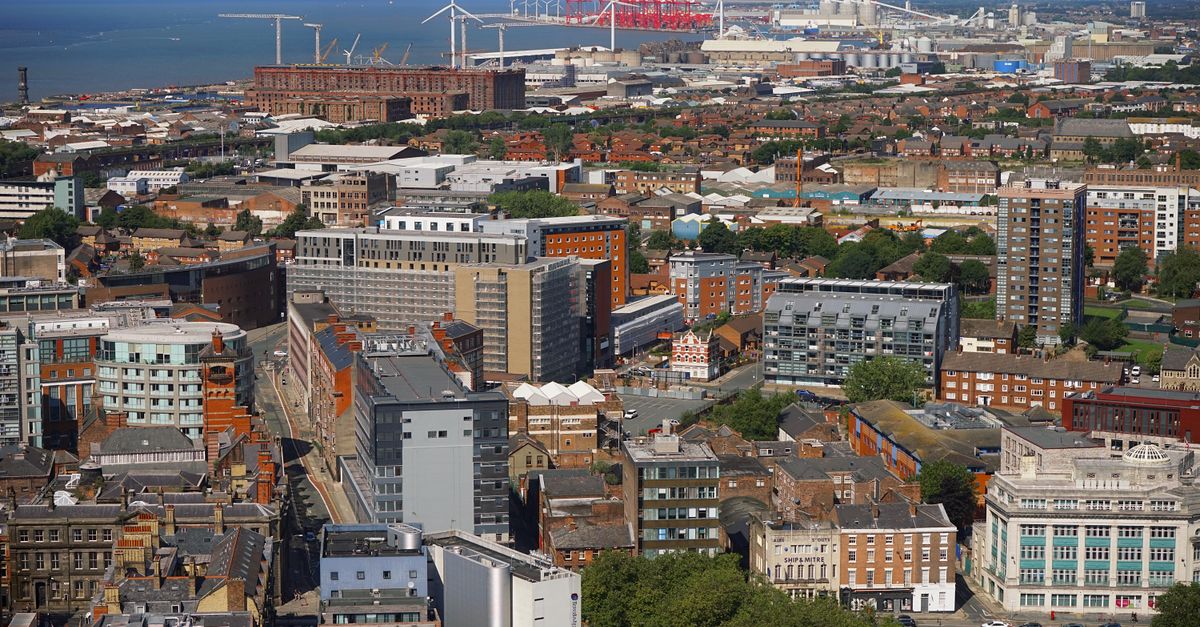
Liverpool's rental market has hit a tipping point. The average rent in the city centre now exceeds £1,200 per month for a one-bedroom flat, according to data from Liverpool City Council's private housing team. That's £250 more than the typical mortgage repayment on a two-bedroom terraced house in areas like Wavertree or Kensington, a gap that has grown by 19 percent since 2024 alone.
This widening chasm between renting and buying is driving a surge in what property analysts call 'rent-vesting': the strategy of buying a home in a cheaper suburb while continuing to rent in a more expensive, convenient location. For Liverpool's young professionals and first-time buyers, it is becoming the only viable path onto the ladder without leaving the city entirely.
Take a typical case: a 30-something accountant working at the Royal Liver Building. To buy a two-bedroom flat in the Baltic Triangle or near Liverpool ONE, they would need a deposit of at least £45,000 and face monthly mortgage costs of roughly £1,400. Renting the same property costs £1,100. The math doesn't favour ownership in the city core.
But look five miles east. In Tuebrook, along West Derby Road, a two-bedroom Victorian terrace sells for £120,000. The deposit requirement drops to £12,000, and the monthly mortgage repayment, at current interest rates hovering around 4.5 percent, comes to £560. That's less than half the cost of renting a comparable property in the centre.
The strategy is simple: buy the Tuebrook house, use a letting agent like Venmore or Entwistle Green to rent it out for £650 per month, and continue renting a city-centre apartment. The rental income covers the mortgage, with a small surplus left over. The investor builds equity in a rising market, Liverpool house prices have climbed 6.2 percent year-on-year to an average of £187,000, per the Land Registry's March 2026 figures, while enjoying the lifestyle of city living.
Estate agents in the city report a sharp uptick in inquiries from rent-vestors. 'We're seeing a 30 percent increase in interest from professionals aged 25 to 40 compared to last year,' said a senior negotiator at Ashtons Estate Agents on Allerton Road, who asked not to be named. 'They want the rental yield from suburbs like Old Swan or Norris Green, but they still want to walk to work in the city centre.'
The strategy isn't without pitfalls. Landlords in Liverpool face new regulatory costs from the city's selective licensing scheme, which was expanded in January 2025 to cover all private rented properties. The annual licence fee for each property is £620. Mortgage lenders also require landlords to pay a higher interest rate, typically 1 to 2 percentage points above residential rates, unless the buyer occupies the property themselves.
Lettings agents warn that rental income may not cover mortgage payments if interest rates rise further. The Bank of England's base rate sits at 5.0 percent as of June 2026, with markets pricing in a potential cut later this year. But any increase could squeeze cash flow for rent-vestors who stretch their finances.
There's also the practical headache of managing a property from a distance, or paying a managing agent a fee of 10 to 15 percent of the rent collected.
Nonetheless, the numbers are drawing comparisons to London five years ago, where rent-vesting became a mainstream strategy for buyers priced out of zones 1 and 2. Liverpool's affordability gap, the difference between median renting costs and buying costs in prime locations, is smaller but growing faster, according to data from the Centre for Cities, a think tank based in London.
For now, Liverpool's rent-vestors are targeting streets like Mill Lane in Wavertree, where two-bedroom houses sell for under £140,000, and Durning Road in Edge Hill, where similar properties fetch £115,000. Rental yields there average 6.5 percent, among the highest in the North West.
The city council's housing strategy, published in April 2026, acknowledges the trend. It pledges to increase the supply of affordable homes for first-time buyers in the city centre, but completion targets, 500 new units per year, won't materially shift the market until 2029 at the earliest.
Until then, rent-vesting is likely to remain the default plan for Liverpool's aspiring homeowners who refuse to trade their city-centre lifestyle for a suburban commute.
About this article
Published by The Daily Liverpool
Spread the word
Daily brief
Free, in your inbox before 7am. Weekdays.


