property
Build-to-Rent Developments Reshape Housing Options for Liverpool Tenants
As property purchase costs remain a barrier for many, purpose-built rental communities are offering a new model for city living.
How we reported this
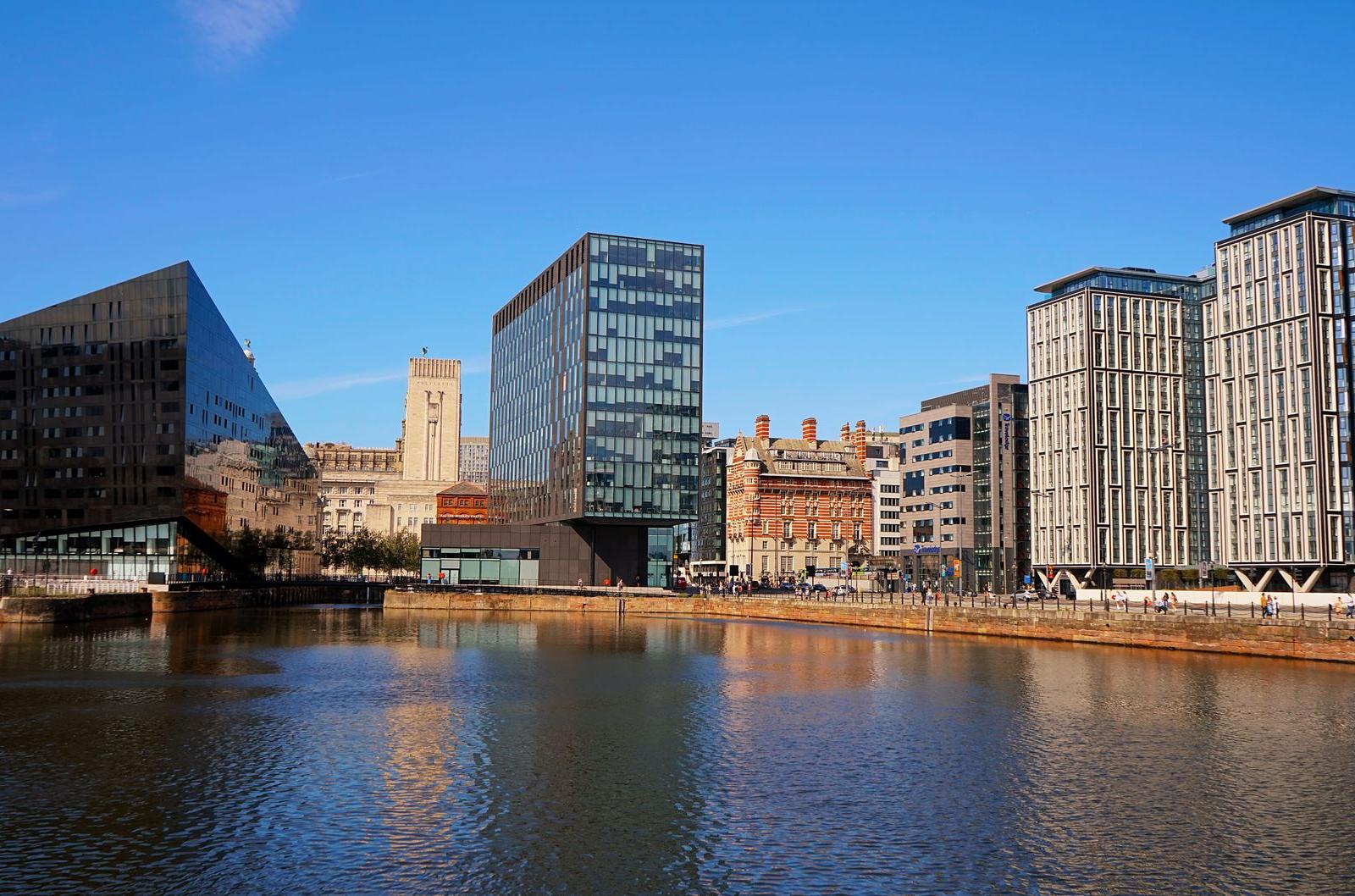
Liverpool’s residential landscape is undergoing a shift as institutional investors pivot toward large-scale build-to-rent projects. These developments, which are professionally managed and designed specifically for long-term leaseholders, are positioning themselves as a viable alternative to the traditional buy-to-let market for those finding the path to home ownership increasingly difficult. While city-centre property prices have climbed, these rental-only hubs aim to mitigate the volatility often associated with private individual landlords.
The Appeal of Purpose-Built Communities
Developments such as the Moda Living project at The Lexington near the Princes Dock and the Keel, situated on the Queens Dock waterfront, illustrate the scale of this new market intervention. Unlike conventional terrace housing or converted period apartments found in areas like Sefton Park or Mossley Hill, these sites offer integrated facilities including shared workspaces, rooftop terraces, and private gyms. For the modern renter, this represents a move toward service-led living, where property management is centralized rather than outsourced to fragmented agencies.
Analysis by local property commentators suggests that for many young professionals, the decision between saving for a deposit and committing to a purpose-built rental is becoming a binary choice. With mortgage affordability tests tightening, the stability offered by long-term leases within these purpose-built blocks provides a sense of security that was previously rare in the private rental sector. These buildings often provide tenants with the ability to customize interior spaces to a degree, a luxury typically reserved for those who hold a mortgage or title deed.
Market Dynamics and Tenant Stability
Data from the Liverpool City Council’s housing strategy reports highlight the growing necessity for high-density, high-amenity rental options to accommodate the influx of workers in the Knowledge Quarter and the Baltic Triangle. The proliferation of these schemes follows a trend seen in other major hubs like Manchester and Birmingham, where institutional funds have sought to capitalize on the sustained demand for high-quality, managed accommodation. The current supply of these purpose-built units remains a key factor in keeping local rental supply responsive to professional demand.
Looking ahead, the expansion of build-to-rent is expected to influence wider rental expectations across the city. Tenants moving into these newer facilities are setting a precedent for lease length and service standards that may eventually force older private rental portfolios to upgrade their own offerings. Those currently navigating the market should assess the total cost of these amenities, as the premium service levels often reflect higher monthly base costs compared to older housing stock in areas like Wavertree or Kensington. Future stability for renters will largely depend on how these large-scale operators balance their service-led models against the city’s broader commitment to mixed-income housing initiatives.
This article is general information only and is not personal financial or investment advice. Consider your own circumstances and seek licensed professional advice before making financial decisions.