property
Liverpool Renters Save Thousands Annually Against Rising Mortgage Costs
With mortgage rates still biting and Liverpool house prices holding firm, first-time buyers are doing the sums, and some don't like what they find.
Listen in English · 5 min
How we reported this
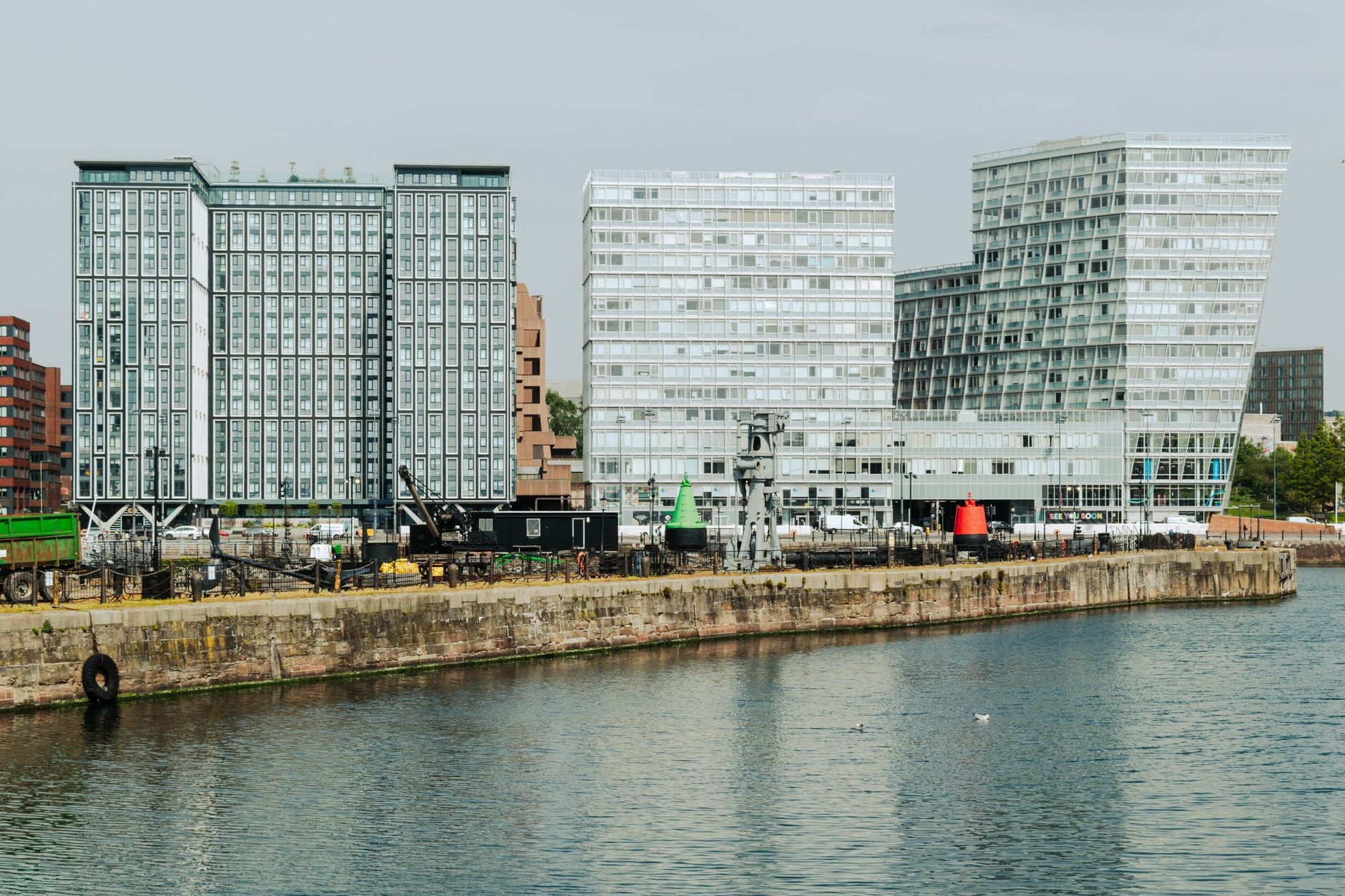
For the first time in years, renting a two-bedroom flat in Liverpool city centre costs less per month than the mortgage repayments on an equivalent property. The gap is not enormous, but it is real, and it is changing how people in their late twenties and thirties think about whether to buy at all.
The question matters because the calculus has shifted sharply since 2022. Bank of England base rate cuts have come, but standard two-year fixed mortgage deals still sit above 4.5 percent with many high street lenders as of summer 2026. Meanwhile, Liverpool's rental market, though tight, has not accelerated at the same pace as the purchase market over the past eighteen months. That mismatch is the story.
What the Numbers Actually Show
A two-bedroom apartment in the Baltic Triangle, one of the city's most sought-after residential districts, is currently listed on Rightmove and Zoopla for between £185,000 and £220,000 to buy. At a purchase price of £200,000 with a ten percent deposit and a 4.6 percent two-year fix over a 25-year term, monthly repayments run to roughly £1,050 before service charges or ground rent. Comparable rentals in the same postcodes, particularly along Jamaica Street and Bridgewater Street, are being let at between £950 and £1,100 per calendar month.
On those figures alone, buying looks roughly equivalent to renting. But strip out the additional costs that buyers absorb, buildings insurance, maintenance responsibilities, conveyancing fees averaging around £1,500 to £2,000, and Stamp Duty on properties above £125,000, and renting pulls ahead on pure monthly outgoings for anyone without a substantial deposit already saved.
Move further out to Wavertree or Kensington, and the picture shifts. Terraced houses in those neighbourhoods have asking prices frequently under £130,000, and with a reasonable deposit the monthly mortgage figure can undercut rental costs in the same streets by £100 to £150 a month. For buyers who can clear the upfront hurdle, those areas still make financial sense. The Liverpool City Region Combined Authority has flagged both Kensington and the wider L7 postcode as priority zones under its housing investment programmes, partly because affordability stress there is less acute than in the waterfront districts.
The Deposit Problem Is Not Going Away
The fundamental obstacle for most prospective buyers is not the monthly repayment comparison, it is the deposit. On a £200,000 Baltic Triangle flat, ten percent means £20,000 sitting in a savings account before a mortgage application gets off the ground, and that figure does not include legal costs or moving expenses. Lifetime ISA contributions, capped at £4,000 per year with the government's 25 percent bonus, help, but they require disciplined saving over several years to close the gap.
Merseyside-based housing charity Shelter North West has consistently documented how deposit accumulation is the primary barrier for renters in the L1 to L8 postcode band who say they want to buy within five years. The combination of high rents eating into disposable income and the long runway needed to save a deposit creates what housing economists call a trap: the longer someone rents, the harder it becomes to exit renting.
Local estate agency Entwistle Green, which has branches across Liverpool including on London Road, has reported increased interest from landlords looking to exit the buy-to-let sector following changes to mortgage interest relief rules, a dynamic that has pushed some additional stock onto the sales market and modestly cooled asking prices in the inner city.
For anyone currently weighing the decision, the practical advice from mortgage brokers generally runs as follows: if you have a deposit of at least 15 percent and are buying in Wavertree, Anfield, or Norris Green, purchasing may well be cheaper month-to-month than renting within a year of completion. If you are looking at the waterfront or the Knowledge Quarter around Mount Pleasant, renting remains the more affordable option in pure cash-flow terms until rates fall further or prices correct. Either way, the answer depends almost entirely on postcode, and on how long you can wait.
This article is general information only and is not personal financial or investment advice. Consider your own circumstances and seek licensed professional advice before making financial decisions.