Property
Liverpool Property Market: How 2026 Compares to the 2021 Boom Cycle
House prices in Liverpool have climbed beyond their 2021 peaks, but caution tempers exuberance this time around.
4 min read
Updated 1 h ago
Property
House prices in Liverpool have climbed beyond their 2021 peaks, but caution tempers exuberance this time around.
4 min read
Updated 1 h ago
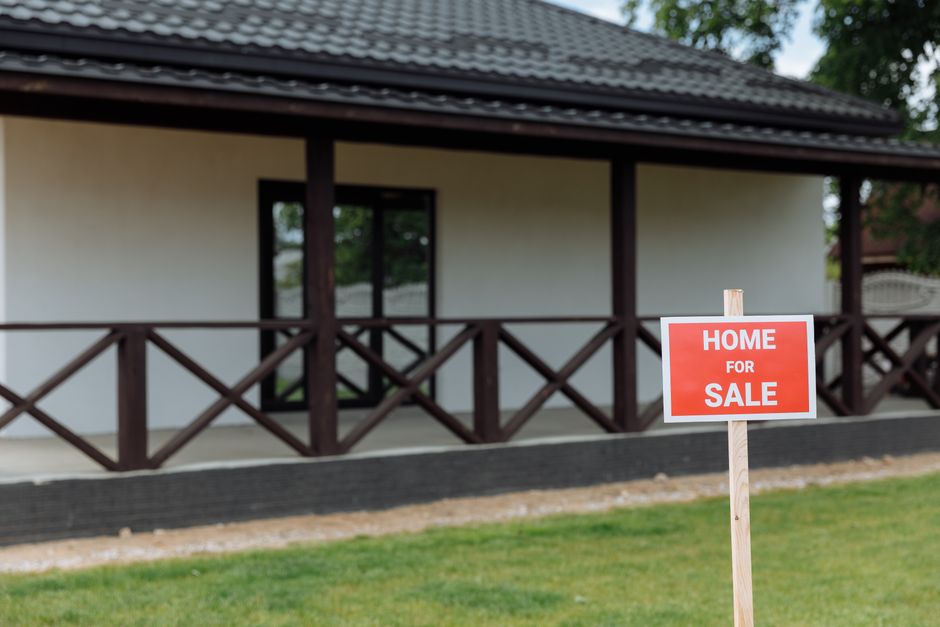
Liverpool’s housing market has powered to fresh highs this summer, with average asking prices in June reaching £220,400-just over 11% higher than the market peak recorded in the frenetic spring of 2021. This latest surge comes even as activity volumes lag behind those of five years ago, marking a sharp contrast in mood and momentum.
The stakes are different in 2026. While the 2021 market was shaped by post-pandemic pent-up demand and government incentives like the stamp duty holiday, today’s gains ride a wave of chronic low housing supply, higher build costs, and an inflow of buyers seeking stable investments amid European geopolitical turbulence. For many in Liverpool, the main question is whether this market will sustain itself-or if it risks the same overheating seen five years earlier.
On the streets of Baltic Triangle and around Princes Dock, cranes still dot the skyline, but the feverish pace of 2021’s buy-to-let rush has cooled. The Merchandise Building on East Waterloo Place, which saw flats snapped up by investors within minutes in 2021, had just six completed sales in the first half of this year, according to Wilkinson & Co estate agency. Instead, family homes in Allerton and West Derby have become the new hotspots: semi-detached houses on Menlove Avenue now routinely list for over £390,000, up from £320,000 at the height of the boom cycle.
Developers have also adjusted. While Legacie Developments pressed ahead with hundreds of flats at Parliament Square three years ago, the group recently shifted its focus to flexible co-living and suburban infill, citing slower demand for traditional city-centre rentals. Liverpool City Council’s affordable housing programme, announced in May 2025, has released plots in Norris Green and Childwall to address some of the city’s most acute needs. But completion dates remain uncertain amid ongoing construction labour shortages tied to wider UK and continental instability.
In 2021, Liverpool saw transaction volumes peaking at nearly 4,000 homes a month through spring. By comparison, Land Registry data shows average monthly completions under 2,500 so far in 2026. And while price growth has surged-Rightmove’s June report pins the average Liverpool asking price at 11% up on 2021-mortgage approvals have steadily declined: Halifax reports a 6% drop in new home loans for Merseyside in the last year alone.
Affordability is stretching thinner. The average deposit for a first-time buyer in Liverpool is now over £36,000, compared to £23,000 in mid-2021, the local branch of Nationwide said. Rents, too, have jumped: a typical two-bed flat in Ropewalks fetches £1,250 per month, up more than 25% since the boom’s heyday.
The battleground for buyers and sellers is shifting. In high-demand suburbs like Mossley Hill, homes sell in less than three weeks, while luxury new builds near Kings Dock linger on the market for months. Agents at Sutton Kersh flagged an uptick in price reductions in the £600,000+ bracket since May.
The remainder of 2026 looks set to test both nerves and wallets. Local agents expect the autumn market to cool, with a possible levelling off in prices if inflation and interest rates persist. Prospective buyers-especially those relying on mortgages-are advised to prepare for tougher affordability stress tests as lenders tighten standards. The Liverpool Home Buyers’ Federation suggests reviewing fixed-rate options before further Bank of England policy shifts or energy price spikes.
The old certainties of the 2021 boom are gone. Today’s Liverpool property market may look triumphant on the surface, but with fewer buyers in play and brokers wary of sudden drops, the real story remains one of caution-and a city adapting to new economic realities on both sides of the Mersey.

Property

Property

Property

Property
About this article
Published by The Daily Liverpool
Spread the word
Daily brief
Free, in your inbox before 7am. Weekdays.