news
Baltic Triangle Residents Split on Massive Mixed-Use Development as Construction Nears
Community members in one of Liverpool's fastest-changing neighbourhoods voice sharp disagreements over a £180m scheme set to reshape streets and livelihoods.
How we reported this
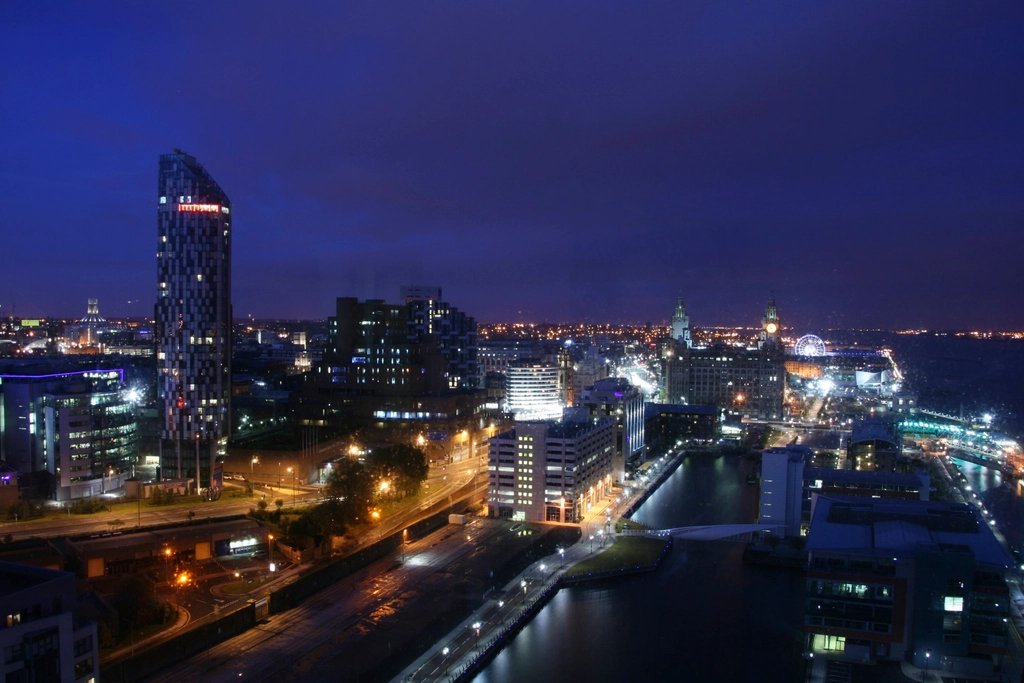
The Baltic Triangle is about to look very different. A sprawling mixed-use development spanning 8.5 acres between Jamaica Street and the Canning Dock waterfront will bring 500 new apartments, 120,000 square feet of commercial space, and a new public plaza by early 2029. But walk the neighbourhood's narrow streets today and you'll find residents and business owners deeply divided about what the transformation means for them.
The project, approved by Liverpool City Council planning committee in March, sits at the heart of the city's broader regeneration push. Similar large-scale schemes across London and Manchester have sparked fierce local debate over displacement, affordability, and who benefits when neighbourhoods gentrify. The Baltic Triangle's version of that argument is playing out now, with weeks before demolition crews arrive.
"People have been here for decades," said one established business operator working from a converted warehouse on Tithebarn Street, speaking on condition of anonymity to avoid complications with landlords. "The artists came first, then the coffee shops. Now we're watching property companies circle." The neighbourhood's warehouse-to-studio conversions, which began around 2008, created a cultural hub that attracted photographers, designers, and small production companies priced out of city centre rents. That informal creative sector drew thousands of visitors monthly to events like Baltic Social and made the triangle a genuine destination beyond residential postcodes.
The developer, Balfour Beatty Living Places, argues the scheme will protect that character. Plans include 15,000 square feet of dedicated artist studio space at below-market rates, managed through a partnership with Baltic Creative CIC, the neighbourhood's longest-established cultural organisation. Balfour Beatty also committed to a community employment fund worth £500,000 to support local skills training in construction and hospitality sectors.
Affordability Questions Loom Large
Rental costs tell a sharper story. A two-bedroom apartment in the new development will start at £1,450 monthly-roughly 40 percent above the Liverpool average of £1,040 for similar properties, according to property portal Rightmove data from June 2026. That gap troubles residents who see their neighbourhood becoming a commuter zone for young professionals working in city centre firms rather than a mixed-income community. "If you're a young parent working retail or health services, you can't afford to stay here," noted one community group representative involved in planning consultations, who requested anonymity to discuss confidential meetings. "The new places are for London money moving north."
The council's planning conditions require 18 percent of apartments to be affordable housing-typically defined as 80 percent of local market rates. For the 500-unit scheme, that means 90 units capped around £850 monthly. Housing advocates say that's progress but insufficient. The Liverpool Fairhousing Campaign, which tracks affordability issues across eight wards, documented that median rents in the Baltic Triangle rose 23 percent between 2020 and 2025, well above inflation.
Existing business leases expire in staggered fashion through 2027 and 2028. Some operators have already relocated-a textile printing workshop moved to Edge Lane in April-while others negotiate terms with the developer. One independent café owner, who operates from a ground-floor unit on Cheapside Street, said she's optimistic. "Balfour Beatty offered reasonable commercial terms," she explained during an interview at her counter. "But I know the rent they'll charge future tenants will be triple what I pay now. That's the maths that worries me for whoever comes after."
What's Next for the Neighbourhood
The development's first phase begins September 2026 with utility relocations and structural surveys. Demolition of four warehouse buildings runs through March 2027. New apartment towers and mixed-use buildings rise from April 2027 onward, with phased completion through 2029. The developer has committed to weekly community updates through its website and quarterly in-person sessions at Toxteth Town Hall.
For residents deciding whether to stay, leave, or renegotiate leases, the next eight weeks matter. Those with expiring agreements should clarify renewal terms now. Cultural organisations like Baltic Creative are negotiating final studio space agreements with Balfour Beatty. And renters considering staying should lock in leases before autumn price adjustments typically arrive.
The triangle won't disappear. But the neighbourhood that emerges-more dense, more expensive, more corporate-will be unrecognisable to those who remember it as Liverpool's scrappy creative outpost.