news
Liverpool Holds Its Own: How the City Is Responding to Global Pressures Better Than Most
From heatwave planning to housing costs and civic security, Liverpool's July 2026 snapshot reveals a city making hard choices, and in some cases, getting them right.
How we reported this
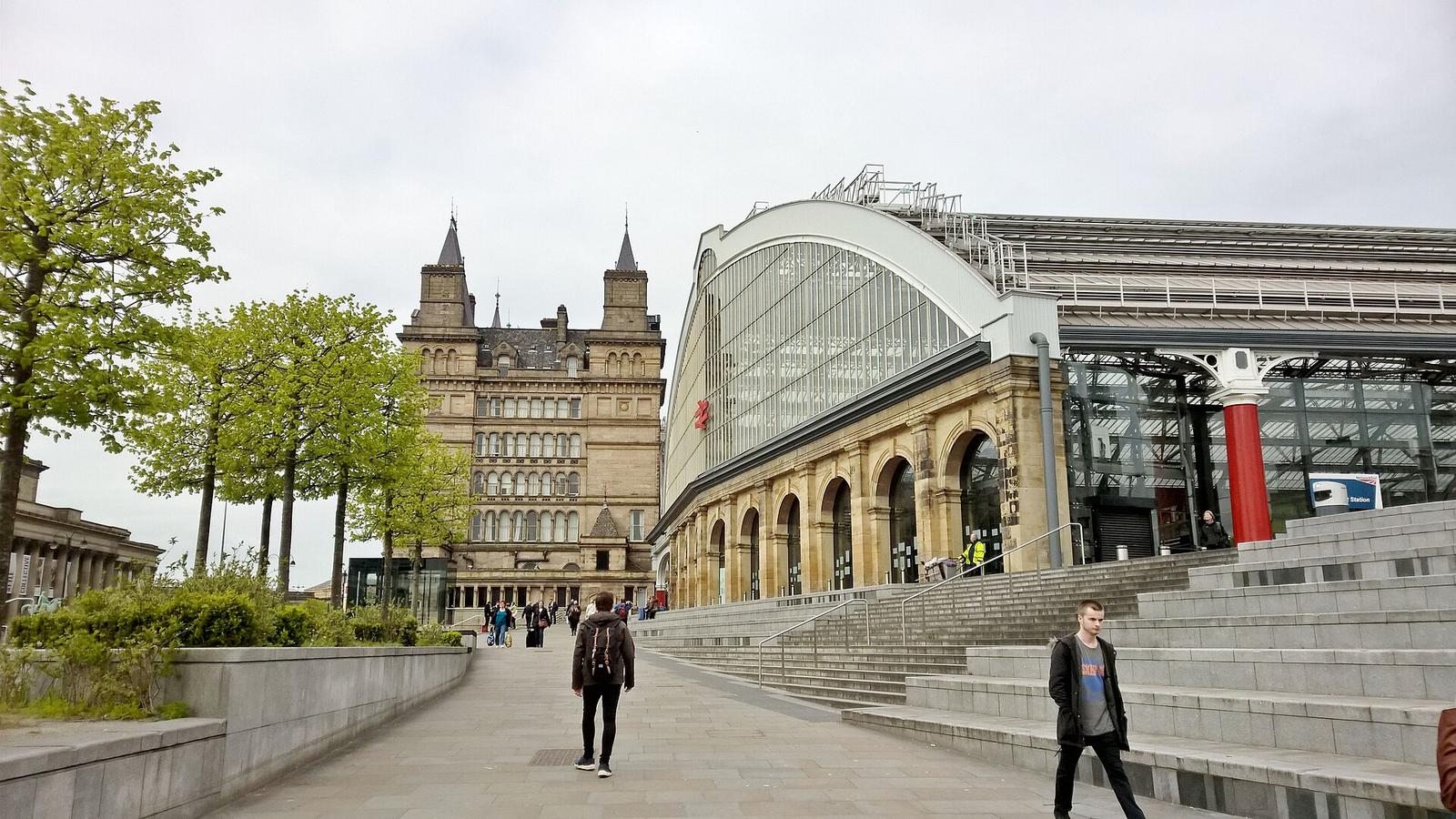
Liverpool recorded its hottest July day in a decade on Wednesday, with temperatures at Lime Street station hitting 37°C, but unlike several European capitals that have been overwhelmed by this summer's extreme heat, the city's emergency response machinery largely held together. The council's Heat Health Action Plan, activated on 1 July under a Level 3 alert, deployed cooling stations across six libraries including the Central Library on William Brown Street and the Croxteth Community Library, serving over 1,400 residents in the first 48 hours alone.
The timing matters. France recorded more than 2,000 excess deaths during the peak of its own heatwave earlier this week, with its public health system strained across major urban centres. Liverpool, by contrast, has had four years of preparation since the Heat Resilience Review commissioned after the 2022 summer, and it shows in the numbers. NHS Cheshire and Merseyside reported a 12 percent rise in heat-related 999 calls since 28 June, but no hospital in the city declared a critical incident, which is more than Manchester or Leeds could say by mid-week.
Housing Costs and Community Pressure: The Slower Crisis
The heat emergency is the headline, but Liverpool's more grinding story this July is housing. The average private rent for a two-bedroom flat in the Vauxhall and Kirkdale areas crossed £1,050 per month for the first time this quarter, according to data from the city council's Housing Intelligence Unit published last week. That figure, still below the £1,400 average in central Manchester and well under London's equivalent, has nonetheless triggered alarm among community groups who track the city's most vulnerable residents.
The Granby Four Streets project in Toxteth, long cited as a model for community-led regeneration, is now facing the very displacement pressures it was designed to resist. Property values on Granby Street have risen 34 percent since 2023, and local organisation The Homebaked Community Land Trust in Anfield has flagged similar concerns about the L4 corridor, where developer interest has accelerated since the Northern Powerhouse Rail confirmation last autumn. The land trust, which runs the bakery and cooperative housing scheme near Anfield Road, submitted a formal objection to Liverpool City Council in June over a proposed commercial development on Walton Breck Road that it says would displace 18 existing tenants.
Compared to Rotterdam, a post-industrial port city of roughly similar size that has managed significant waterfront redevelopment without mass displacement through its Community Land Policy, Liverpool's protections remain patchwork. Rotterdam introduced its right-to-buy protections for cooperative housing schemes in 2021. Liverpool's equivalent framework is still a consultation document sitting with the Planning and Development Committee.
Security and the Wider European Picture
Security concerns are also surfacing locally, partly fed by anxieties abroad. A senior Merseyside Police briefing circulated to ward councillors on 30 June noted a stepped-up presence at large public events through August, including the upcoming Liverpool International Music Festival at Sefton Park, which begins on 18 July. No specific threat was cited, but the review references the broader European security environment, including the Monaco bomb attack earlier this week, as context for tightening pre-event protocols.
Liverpool John Lennon Airport confirmed on Thursday it is cooperating with a Home Office review of passenger screening procedures at regional airports, a process affecting 14 UK airports outside London. The review is expected to conclude by 31 August.
For residents, the immediate practical priority this weekend is heat. The council advises checking on neighbours over 65 or under five, particularly in the terraced streets of Everton, Kensington, and Old Swan where there is limited shade and inadequate ventilation in older housing stock. The NHS Cheshire and Merseyside heatwave helpline, 0800 145 6523, is staffed 24 hours through Sunday. The Level 3 alert is expected to remain in place until at least 7 July.