lifestyle
Liverpool Locals Share Daily Commute Hacks: Merseyrail, Cycle Lanes
From the Merseyrail network to the city's expanding cycle lanes, here is how those who work and live in the heart of Liverpool manage the daily commute.
Listen in English · 3 min
How we reported this
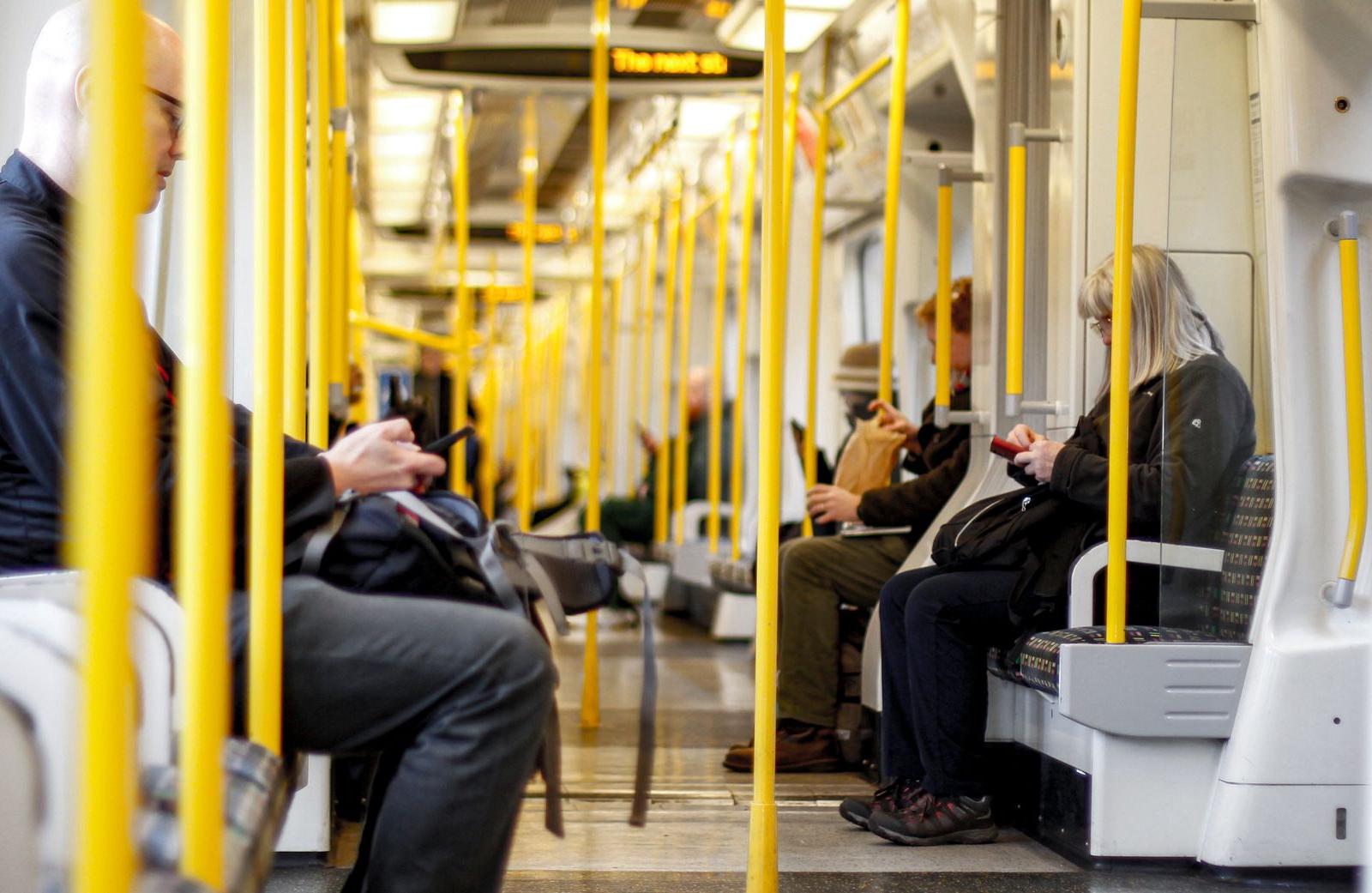
Navigating Liverpool requires a blend of local knowledge and patience, particularly as the city's transport infrastructure continues to adapt to the demands of a growing population. Whether you are catching the train from Lime Street or jumping on a bus toward the Georgian Quarter, the key to a stress-free journey lies in understanding the rhythm of the city's transit arteries.
The Merseyrail Advantage
For those living in suburbs like West Kirby or Formby, the Merseyrail network remains a consistent way to reach the city center. Residents who take the train daily often suggest avoiding the peak morning rush by targeting mid-morning services if their work schedules permit. While the system is efficient, passengers should monitor service alerts for the Wirral and Northern lines, especially when engineering work occurs on weekends.
Those navigating the city by road often find that crossing the Mersey requires strategic planning. The Queensway Tunnel and the Kingsway Tunnel act as essential links, though traffic levels fluctuate during the morning and evening commutes. Locals have noted that parking availability near venues like the Baltic Market has tightened, making public transit or cycling a more viable option for many.
Pedals and Public Transit
Liverpool's cycling infrastructure has expanded, with new lanes connecting the city center to neighborhoods like Sefton Park. For those who prefer to keep their feet on the ground, the bus network covers the majority of the city. However, those commuting during unpredictable weather find that the flexibility of the city's bus routes can be a challenge during high-traffic periods near the Pier Head.
Planning your trip through the Merseytravel website allows commuters to track service updates and access the latest ticketing information. The expansion of the integrated transport plan remains a priority to improve connectivity across the six local authority areas. While congestion persists on major arterial routes, the integration of contactless payment across the bus and rail network has simplified the process for those moving across zones daily.
If you are heading into the city for a day out, the most reliable advice remains consistent: check your route early and, if you are planning to cycle or walk, utilize the designated routes along the waterfront to avoid the heaviest pedestrian crowds near the Royal Albert Dock. Always carry a secondary transit app on your phone, as live updates remain the best tool for adjusting your plans when delays occur on the main rail lines.