culture
From caverns to concert halls: how Liverpool's cultural scene evolved into a global draw
As summer events kick off across the city, the venues hosting them tell a story of reinvention that stretches back decades.
3 min read
Updated 14 h ago
culture
As summer events kick off across the city, the venues hosting them tell a story of reinvention that stretches back decades.
3 min read
Updated 14 h ago
Liverpool's cultural calendar for July 2026 reads like a master class in how a post-industrial city rebuilt itself through the arts. The Philharmonic Hall on Hope Street hosts the Royal Liverpool Philharmonic's summer season, while the Cavern Quarter-the neighborhood that gave the world The Beatles-hosts daily tribute acts and live music sessions that draw 200,000 visitors annually to the restored Georgian Quarter streets.
This isn't accidental programming. The venues filling with audiences this month exist because of decisions made decades ago, when city leaders gambled that culture could do what manufacturing couldn't. Liverpool's designation as European Capital of Culture in 2008 marked the inflection point. Before that, the city's name was shorthand for urban decay and joblessness. The cultural investment that followed fundamentally rewired how the city sees itself.
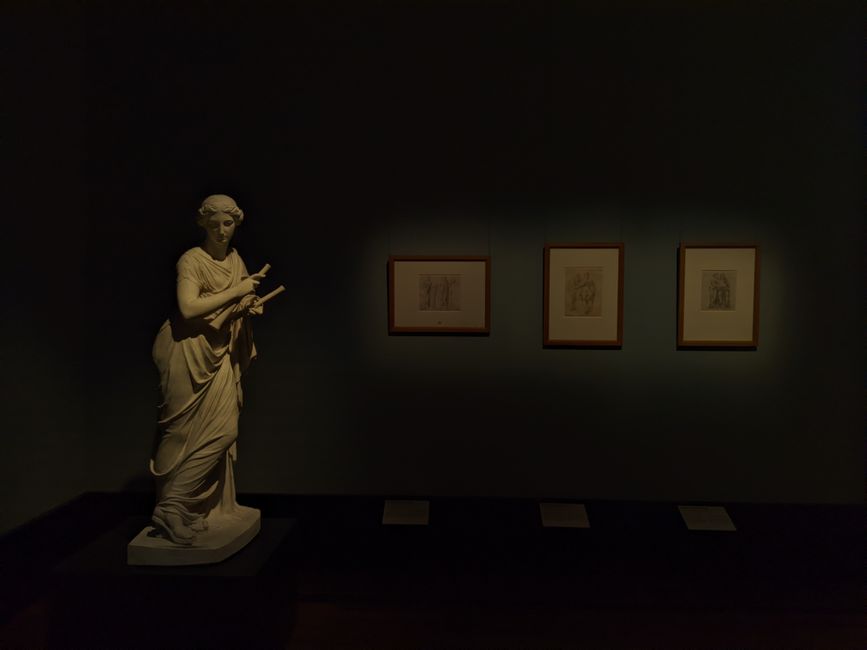
The Tate Liverpool, housed in the converted Albert Dock warehouse since 1988, pioneered this transformation. What began as an experiment in adaptive reuse-taking 1840s cargo storage and turning it into gallery space-became the template for the entire waterfront. Today, the Pier Head precinct includes the Walker Art Gallery, the Playhouse Theatre on Williamson Square, and the ACC Liverpool (now Echo Arena Liverpool), which hosts the International Music Festival and major touring productions throughout summer.
Walk down Bold Street or through the Georgian Quarter, and you see the bones of this evolution. Independent galleries occupy former shopfronts. Street art covers the side of the old Everyman Theatre building. The Bluecoat arts centre on School Lane, established in 1908, now functions as both historical anchor and incubator for contemporary practice. July programming there includes residencies and exhibitions that wouldn't have been possible in 2000.
The numbers document how deliberate this shift was. Between 2008 and 2024, Liverpool invested £2 billion in cultural infrastructure and programming. Tourist numbers tied to cultural activities rose from 1.2 million annually in 2007 to 3.8 million by 2024. The creative sector now employs roughly 6,500 people in the city-a workforce that barely existed two decades ago.
This month's schedule reflects that infrastructure. The Philharmonic's summer residency continues a tradition stretching back to 1846. The Echo Arena Liverpool runs the Broadbeat Festival, an electronic music event that pulls DJs from across Europe. The Walker Art Gallery reopened its contemporary wing in March after renovation, hosting exhibitions through August. The Epstein Theatre on Mathew Street runs West End productions that used to bypass the city entirely.
Ticket prices range from £8 for fringe performances in smaller venues to £60 for major productions at the Playhouse. The Cavern Club charges £5 entrance for daytime sessions. Most outdoor events in the Georgian Quarter are free.
The story these venues tell is worth understanding as you plan your July calendar. Forty years ago, most of these buildings were abandoned or scheduled for demolition. The decision to preserve them, to invest in programming, to build new institutions alongside the old-that wasn't inevitable. Other post-industrial cities made different bets and got different results. Liverpool's cultural infrastructure today exists because arts organizations, city planners, and community groups made the case that culture was economic strategy, not luxury.
Check listings at the Walker Art Gallery website, the Royal Liverpool Philharmonic, and the Cavern Quarter visitor guides for full July programming. Book in advance for major productions at the Playhouse and Echo Arena. Many smaller venues offer walk-in admission for live music and exhibitions.
About this article
Published by The Daily Liverpool
Spread the word
Daily brief
Free, in your inbox before 7am. Weekdays.